Definitions

chéng (verb) to undertake; to carry; to bear; to take charge
chéng (particle) owing to; due to

Etymology

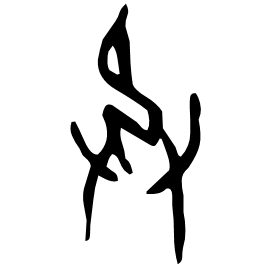
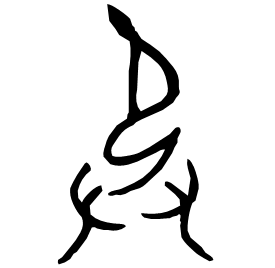
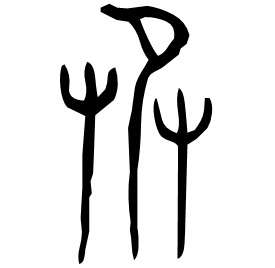
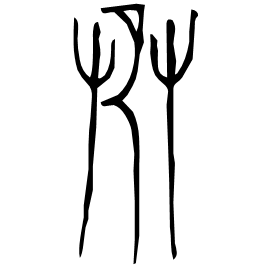
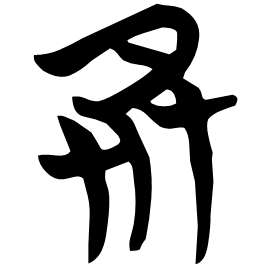
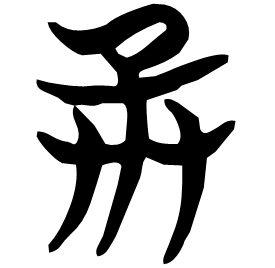
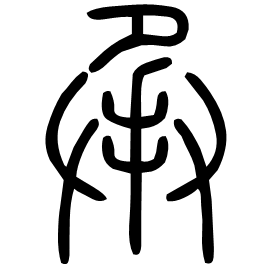
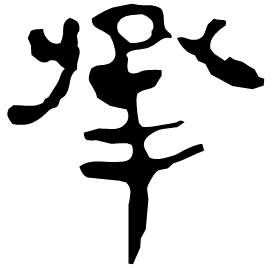
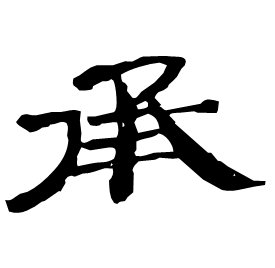
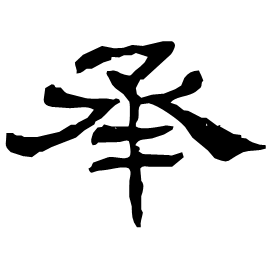
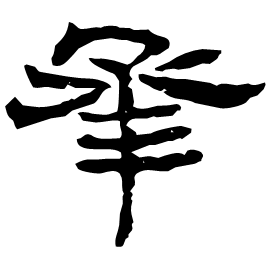
Pictograph of hands (, ) carrying a person.

About

The character "承" etymologically derives from the concept of receiving or supporting, with its traditional form classified under the hand radical, indicating a connection to manual action. Its initial meaning centered on physically receiving from above or bearing a burden, which gradually expanded to include abstract senses such as undertaking duties, accepting responsibility, and continuing lineages or practices. Structurally, the contemporary character integrates components that historically implied hands and motion, though these elements are no longer semantically transparent in isolation.

Etymology Hide

Oracle etymology image
Oracle (~1250-1000 BC)
Bronze etymology image
Bronze Early Western Zhou (~1000 BC)
Bronze etymology image
Bronze Early Warring States (~400 BC)
Bronze etymology image
Bronze Late Warring States (~250 BC)
Seal etymology image
Seal Chu (Warring States: 475-221 BC)
Seal etymology image
Seal Chu (Warring States: 475-221 BC)
Seal etymology image
Seal Shuowen (~100 AD)
Clerical etymology image
Clerical Western Han dynasty (202 BC-9 AD)
Clerical etymology image
Clerical Western Han dynasty (202 BC-9 AD)
Clerical etymology image
Clerical Eastern Han dynasty (25-220 AD)
Clerical etymology image
Clerical Western Jin dynasty (266-316 AD)
Traditional Modern
Simplified Modern

Example Sentences Hide

认了自己的错误。

Tā chéngrèn le zìjǐ de cuòwù.

He admitted his mistake.

担了所有责任。

Tā chéngdān le suǒyǒu zérèn.

He took on all the responsibility.

受着巨大压力。

Tā chéngshòu zhe jùdà yālì.

She is enduring great pressure.

他继了父亲的生意。

Tā jìchéng le fùqīn de shēngyì.

He inherited his father's business.

诺明天会来。

Tā chéngnuò míngtiān huì lái.

He promised to come tomorrow.

公司办了这次会议。

Gōngsī chéngbàn le zhè cì huìyì.

The company organized this meeting.

他们接了新的工程项目。

Tāmen chéngjiē le xīn de gōngchéng xiàngmù.

They took on a new engineering project.

这座桥的重能力很强。

Zhè zuò qiáo de chéngzhòng nénglì hěn qiáng.

This bridge has strong load-bearing capacity.