About
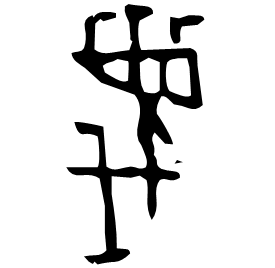
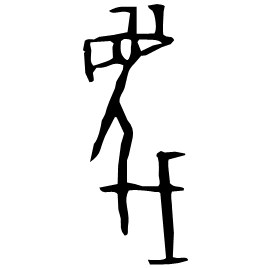
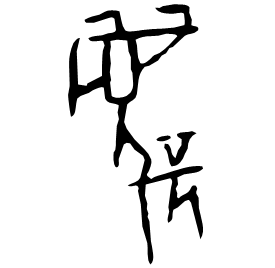
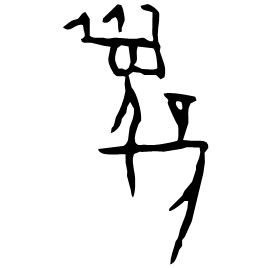
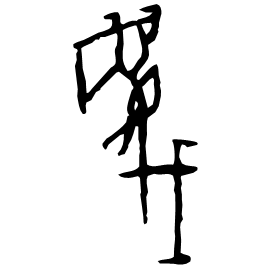
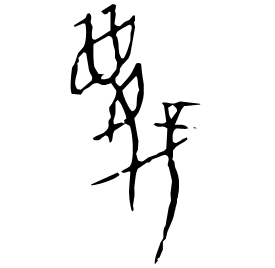
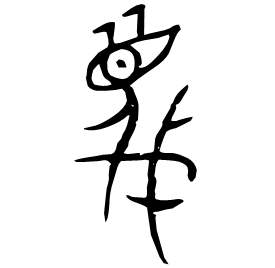
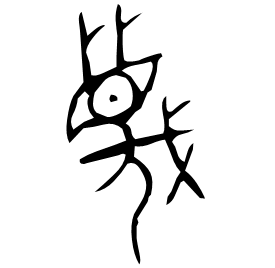
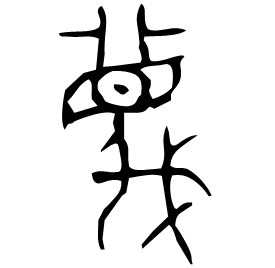
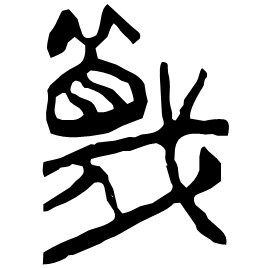
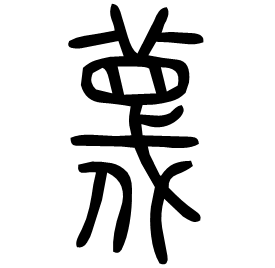
The modern character 蔑 is composed of the grass radical 艹, the eye-or-net element 罒, and a lower portion associated with the weapon 戍. Etymologically, however, it once depicted a person with eyebrows (𦰋) being struck by a weapon (戈), conveying an injury to the eyes and resulting impaired vision. This concrete sense of not seeing clearly was then extended to the abstract social act of deliberately ignoring or looking down on someone. Today, the character primarily denotes contempt, belittlement, and utter disregard.
Etymology Hide
Example Sentences Hide
他脸上带着轻蔑的笑。
不要蔑视那些比你弱小的人。
这种诬蔑是对他人格的侮辱。
他蔑然转身,一句话也没说。
诬蔑他人名誉是违法的行为。
被告在法庭上表现出公然的蔑视。
他以实际行动粉碎了那些蔑称。
历史的评判终将蔑弃那些虚伪的谎言。
Report an issue
Flag incorrect definitions, examples, etymology, etc.