Definitions

liáo to wind round; to sew with slanting stitches

Etymology

Phonosemantic compound. represents the meaning and represents the sound. Simplified form of .

Semantic: Phonetic:

About

The character "缭" derives from a phonetic composition where the silk radical indicates a relation to threads or binding, and the component "尞" serves as a phonetic indicator, with its traditional form "繚" explicitly displaying the silk radical on the left to reinforce the idea of actions like winding or entangling that constitute its primary meaning. Throughout its historical use, the sense of encircling or sewing with slanting stitches has remained stable, though it has been applied in various compound words to describe metaphorical or physical forms of coiling and interweaving, while the structural elements have persisted across different writing styles, reflecting the character's enduring link to its etymological roots.

Etymology Hide

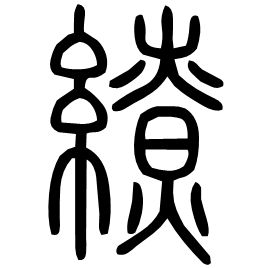
Seal etymology image
Seal Shuowen (~100 AD)
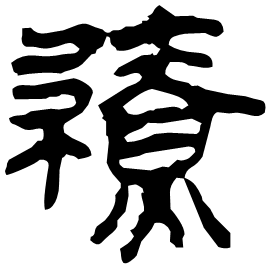
Clerical etymology image
Clerical Western Han dynasty (202 BC-9 AD)
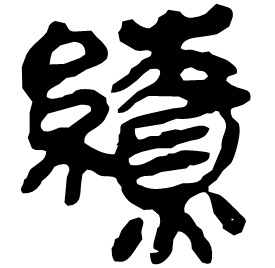
Clerical etymology image
Clerical Western Han dynasty (202 BC-9 AD)
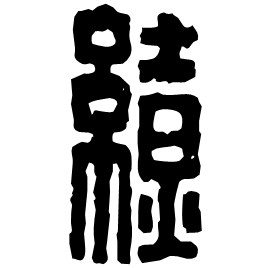
Seal etymology image
Seal Western Han dynasty (202 BC-9 AD)
Traditional Modern
Simplified Modern

Example Sentences Hide

烟雾绕在山峰。

Yānwù liáorào zài shānfēng.

Smoke winds around the mountain peaks.

她的长发绕颈间。

Tā de chángfà liáorào jǐng jiān.

Her long hair winds around her neck.

问题乱难以解决。

Wèntí liáoluàn nányǐ jiějué.

The problems are tangled and hard to solve.

歌声绕在剧院里。

Gēshēng liáorào zài jùyuàn lǐ.

The singing lingers in the theater.

纠的藤蔓爬满墙。

Liáojiū de téngmàn pá mǎn qiáng.

The entwined vines cover the wall.

他的解释让人思绪乱。

Tā de jiěshì ràng rén sīxù liáoluàn.

His explanation makes people's thoughts tangled.

清晨的雾气绕湖面。

Qīngchén de wùqì liáorào húmiàn.

The morning mist curls over the lake surface.

复杂的关系乱如麻。

Fùzá de guānxì liáoluàn rú má.

The complicated relationships are tangled like hemp.