About
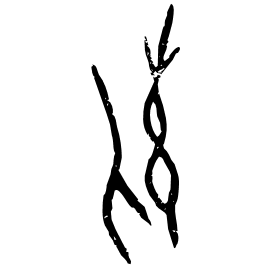
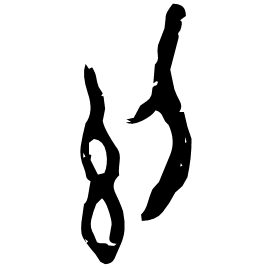
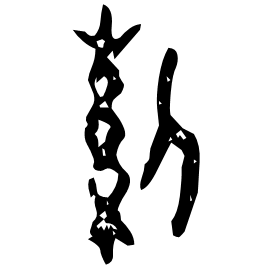
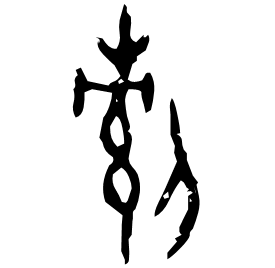
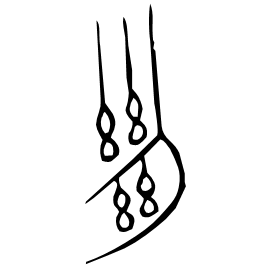
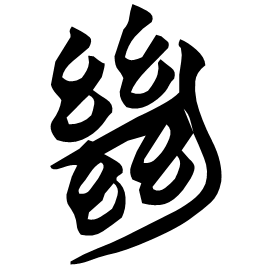
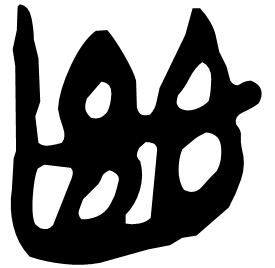
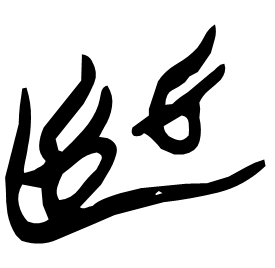
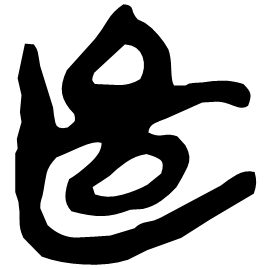
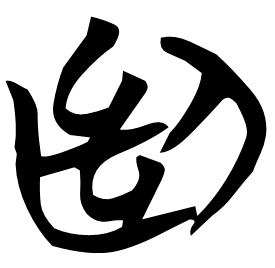
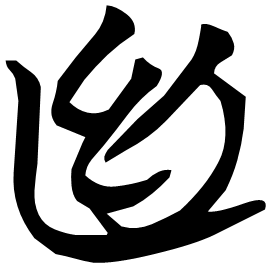
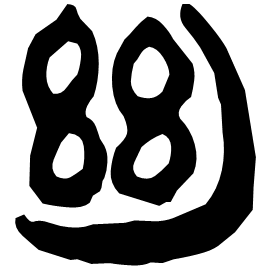
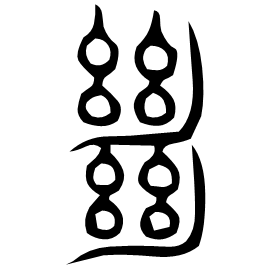
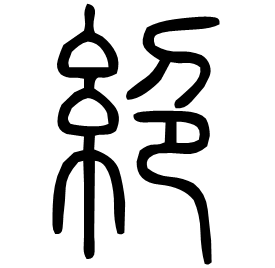
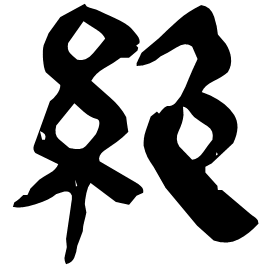
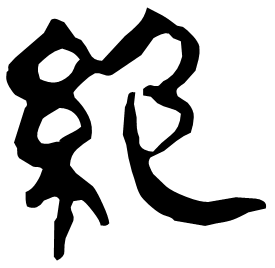
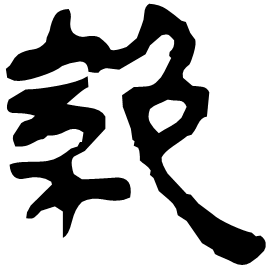
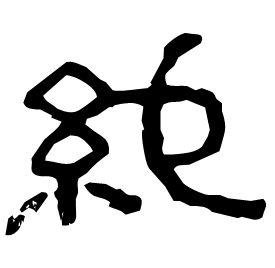
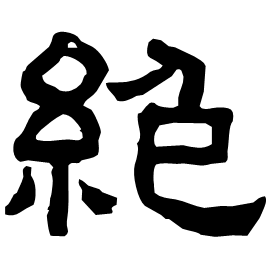
绝 is the simplified form of 絕, which originally depicted a knife (刀) cutting a thread (纟), with 卩 giving the sound. This image of severing silk established the core meaning "to cut off" or "break completely". From there, the character came to describe terminating relationships, reaching an absolute end, or exhausting resources, and by extension, anything extreme or unparalleled.
Etymology Hide
Example Sentences Hide
这碗面味道绝了。
他绝对是个诚实的人。
我们绝不能放弃希望。
这种机会绝无仅有。
山顶的风景堪称一绝。
双方的关系彻底断绝了。
他做出了一个绝佳的决定。
绝望之中,她依然没有断绝与外界的联系。
Report an issue
Flag incorrect definitions, examples, etymology, etc.