About
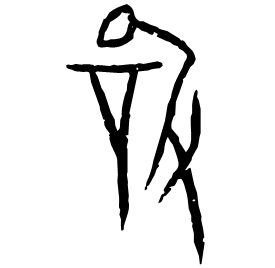
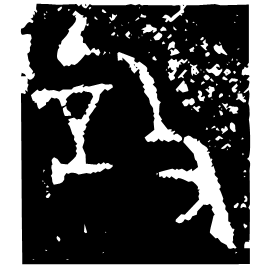
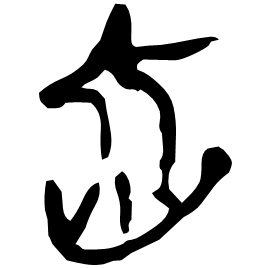
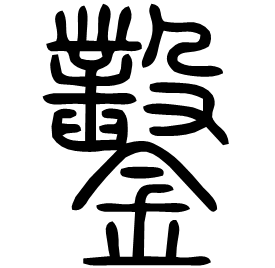
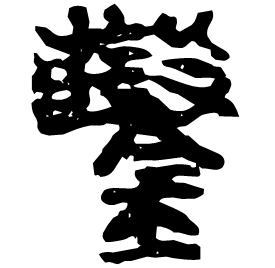
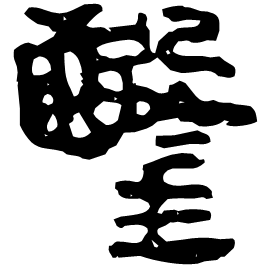
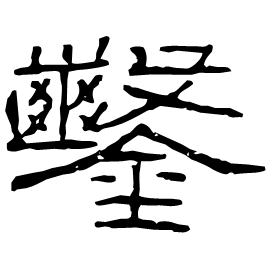
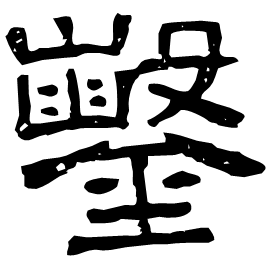
Simplified from 鑿 (which contained 金 'metal' and striking components), the modern 凿 combines 丵 (chisel) and 凵 (an opening), depicting a chisel cutting a hole. It means both a chisel and the action of chiseling, digging, or boring holes in hard surfaces like wood or stone. Its metaphorical senses include opening up passageways, cutting canals or forging routes through difficult terrain, and, from the permanence of a carved hole, evidence that is irrefutable, as solid as stone.
Etymology Hide
Example Sentences Hide
工人们在凿石头。
他正在用凿子凿木头。
他们计划在这里凿一口井。
考古学家凿开了古老的石门。
为了安装管道,他们凿开了混凝土墙。
滴水穿石,比喻坚持不懈就能凿穿困难。
这幅岩画是古人用简陋工具一凿一凿刻画出来的。
经过仔细考证,他的论断证据确凿,令人信服。
Report an issue
Flag incorrect definitions, examples, etymology, etc.