About
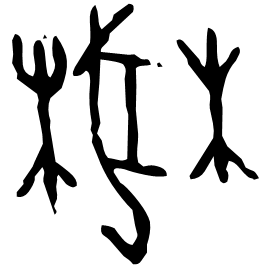
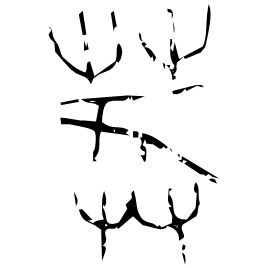
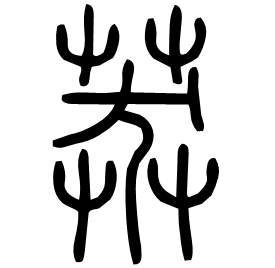
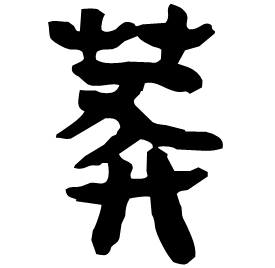
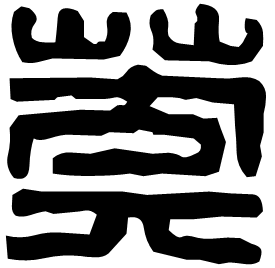
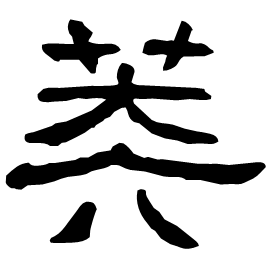
The character 莽 combines the grass radical 艹 at the top with the structural component 廾 at the bottom, both historically derived from an older symbol for dense vegetation, while the central component 犬 means dog. Its original visual concept showed a dog hunting or hiding in thick brush, giving rise to the primary meaning of a thicket or wilderness. This sense of untamed wildness later extended metaphorically to describe human behavior as reckless, rough, or impulsive.
Etymology Hide
Example Sentences Hide
这个人的性格很莽撞。
他莽撞地冲进了房间。
做事不要这么鲁莽。
他为自己年轻时的莽撞道歉。
一片莽原在眼前展开。
历史的莽莽洪流不可阻挡。
这篇小说充满草莽英雄的气息。
深入这片莽苍的山林需要勇气。