About
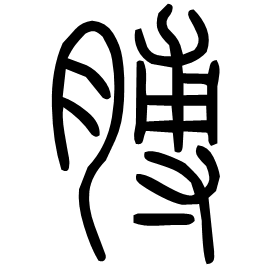
The character 膊 is a phono-semantic compound: the left side, ⺼ (commonly written as 月), is the 'meat' radical and points to a body part, while the right side, 尃, gives the sound. It originally meant the upper limbs, specifically the arm or shoulder region. Historically, it was used as a standalone word for the shoulder blade or upper arm. Today, it functions almost exclusively as a bound morpheme in two-character compounds that refer to the entire arm from shoulder to wrist.
Etymology Hide
Example Sentences Hide
他的胳膊很有力量。
她不小心碰疼了我的胳膊。
天气太热,他赤膊在院子里干活。
经过锻炼,他的臂膊变得更加粗壮了。
我摔了一跤,胳膊肘擦破了一块皮。
打完球后,他的整个臂膊都感到酸痛。
他用有力的臂膊紧紧抱住了自己的孩子。
这位拳击手发达的肩膊肌肉是他刻苦训练的证明。
Report an issue
Flag incorrect definitions, examples, etymology, etc.