About
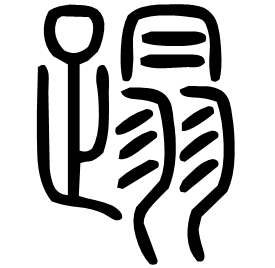
The character 蹋 is built with 足, the "foot" radical, on the left, establishing its semantic link to movements of the legs or feet. On the right, the component 沓 serves as the phonetic indicator. Its primary dictionary definition is the physical act of treading heavily upon something: stomping or trampling. This action almost inevitably carries a negative charge, implying that something is being damaged, disrespected, or carelessly crushed underfoot. In usage, 蹋 readily combines with other characters to form compound verbs that denote ruining items, squandering resources, or metaphorically trampling on a person's efforts or reputation, thus devaluing them.
Etymology Hide
Example Sentences Hide
不要糟蹋粮食。
他经常糟蹋自己的时间。
战争践蹋了这片土地。
我们不能糟蹋大自然赋予的资源。
他的行为简直是在践蹋别人的尊严。
避免糟蹋食物是我们每个人的责任。
历史的车轮无情地践蹋过那些古老的文明。
如果我们继续糟蹋环境,未来将不堪设想。
Example Words
Report an issue
Flag incorrect definitions, examples, etymology, etc.