About
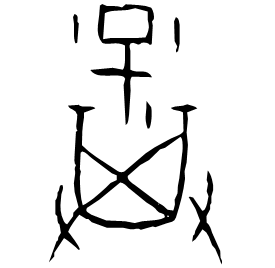
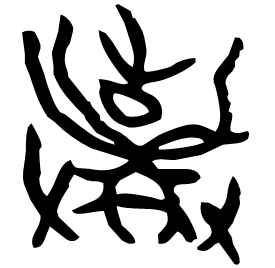
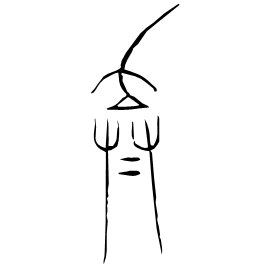
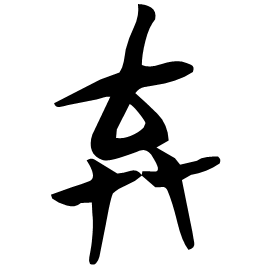
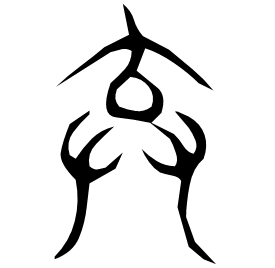
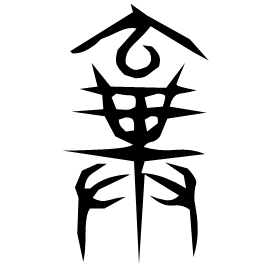
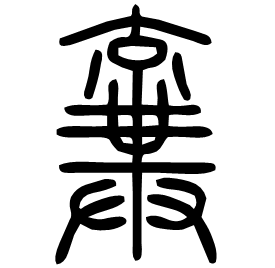
弃 corresponds to the traditional form 棄, which structurally depicts the act of discarding. Its traditional composition combines an inverted child at the top, a woven basket in the middle, and two hands at the bottom, illustrating the historical practice of abandoning an infant by placing it in a basket. The simplified form 弃 retains the top element 亠, the component 厶, and the bottom component 廾 (representing hands), though this streamlining obscures the original imagery of the child and basket. Despite these structural changes, the character’s meaning has remained centered on abandonment or relinquishment, whether referring to physical objects, people, or abstract concepts such as rights or habits.
Etymology Hide
Example Sentences Hide
不要放弃希望。
他抛弃了旧衣服。
我们绝不能放弃梦想。
她决定放弃这个机会。
丢弃垃圾时要分类。
公司放弃了那个亏损的项目。
在困难面前,他从未放弃过。
为了保护环境,我们应该减少废弃物的产生。