Definitions

huì (noun) comet; broom

Etymology

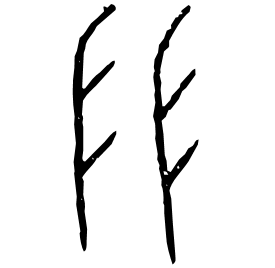
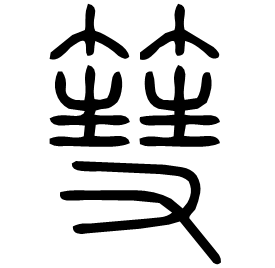
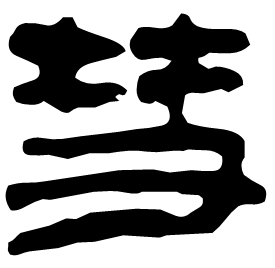
Pictograph of a hand holding a broom.

About

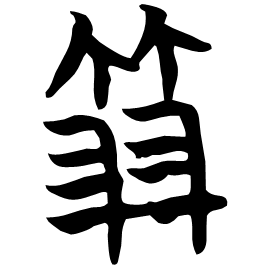
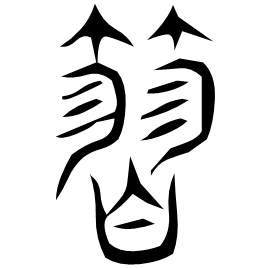
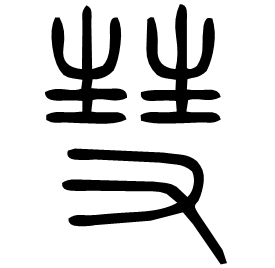
The character 彗, whose traditional form is the same, originally depicted two hands holding a tool made of bundled bamboo strips, representing a broom. This pictographic origin gave it the core meaning of "to sweep", which is preserved in some classical texts and in the compound 彗星, meaning "broom star". Over time, the character's primary association shifted decisively from the earthly implement to the celestial phenomenon, as the trailing tail of a comet was visually likened to the sweeping motion of a broom. Structurally, it serves as a phonetic component in other characters, such as 慧 (wisdom), while its own composition clearly illustrates its tangible, manual beginnings before its meaning was projected skyward to describe the sweeping celestial bodies.

Etymology Hide

Oracle etymology image
Oracle (~1250-1000 BC)
Seal etymology image
Seal Chu (Warring States: 475-221 BC)
Seal etymology image
Seal Shuowen (~100 AD)
Seal etymology image
Seal Shuowen (~100 AD)
Seal etymology image
Seal Shuowen (~100 AD)
Clerical etymology image
Clerical Western Han dynasty (202 BC-9 AD)
Traditional Modern
Simplified Modern

Example Sentences Hide

昨晚我看到了星。

Zuó wǎn wǒ kàndào le huìxīng.

Last night I saw a comet.

星拖着长长的尾巴。

Huìxīng tuōzhe chángcháng de wěiba.

The comet is dragging a long tail.

科学家正在研究这颗星。

Kēxuéjiā zhèngzài yánjiū zhè kē huìxīng.

Scientists are studying this comet.

星每七十六年回归一次。

Huìxīng měi qīshíliù nián huíguī yī cì.

The comet returns once every seventy-six years.

通过望远镜观察星很有趣。

Tōngguò wàngyuǎnjìng guānchá huìxīng hěn yǒuqù.

Observing comets through a telescope is very interesting.

这颗星的轨道非常椭圆。

Zhè kē huìxīng de guǐdào fēichāng tuǒyuán.

This comet's orbit is very elliptical.

星主要由冰和尘埃组成。

Huìxīng zhǔyào yóu bīng hé chén'āi zǔchéng.

Comets are mainly composed of ice and dust.

天文学家预测星将在下周最亮。

Tiānwénxuéjiā yùcè huìxīng jiāng zài xià zhōu zuì liàng.

Astronomers predict that the comet will be brightest next week.