About
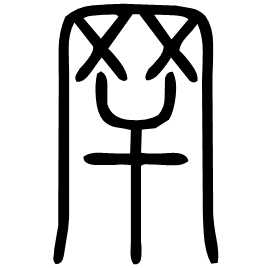
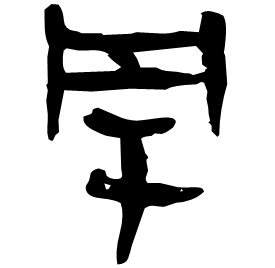
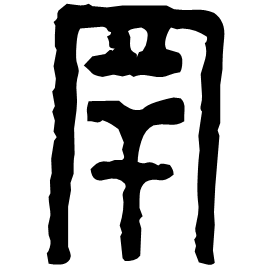
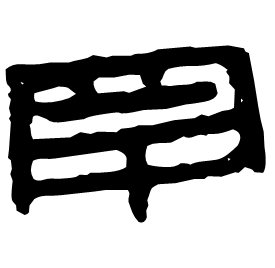
罕 combines the net radical 罒 (a reduced form of 网) with the phonetic 干. The upper component 罒 signals the original meaning "bird trap", a long-handled net with a wide mesh. Its modern sense "rare, uncommon" is a phonetic loan: the character was borrowed for its sound to write an unrelated word.
Etymology Hide
Example Sentences Hide
这种天气很罕见。
我罕有地起晚了。
他脸上露出了罕见的笑容。
这种稀有金属非常罕见。
在历史上,这种和平协议是罕有的。
如此精湛的工艺如今已世所罕见。
那个地区人迹罕至,保持了原始生态。
能如此坦诚面对过去的人实属罕见。
Report an issue
Flag incorrect definitions, examples, etymology, etc.