Definitions

shā (verb) to brake
chà (noun) Buddhist temple; monastery

Etymology

Phonosemantic compound. represents the meaning and represents the sound. Simplified form of .

Semantic: Phonetic:

About

The character "刹" presents a duality in meaning, originating from its traditional form "剎", which combines the phonetic component "殺" (shā, meaning "to kill" or "to cut") with the radical "刂" (knife). This structure suggests an original association with cutting or severing, an idea that was extended through its use as a phonetic loan in Buddhist translations to represent the Sanskrit "kṣetra", meaning "land" or "field", and specifically coming to denote the sacred ground of a temple or monastery. Over time, this borrowed meaning of "temple" or "monastery" became primary, as seen in terms like "古刹" (ancient temple). Later, the character was repurposed again in modern scientific terminology to transcribe the foreign word "chet" or "shā" as a unit for acceleration, leading to its contemporary and now more common meaning "to brake" in the compound "刹车" (shāchē), where the sense of cutting or stopping motion aligns conceptually with its ancient etymological roots.

Etymology Hide

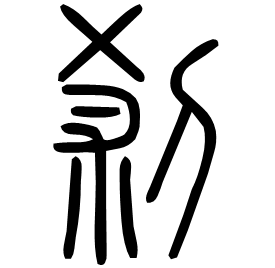
Seal etymology image
Seal Shuowen (~100 AD)
Traditional Modern
Simplified Modern

Example Sentences Hide

住了车。

Tā shā zhù le chē.

He braked the car.

这辆车的车很灵敏。

Zhè liàng chē de shāchē hěn língmǐn.

This car's brakes are very responsive.

司机突然车,避免了事故。

Sījī tūrán shāchē, bìmiǎn le shìgù.

The driver braked suddenly, avoiding an accident.

那之间,他做出了决定。

Zài chànà zhī jiān, tā zuò chū le juédìng.

In an instant, he made the decision.

新车配备了先进的车系统。

Xīn chē pèibèi le xiānjìn de shāchē xìtǒng.

The new car is equipped with an advanced braking system.

他试图住这股不良风气。

Tā shìtú shā zhù zhè gǔ bùliáng fēngqì.

He tried to put a stop to this unhealthy trend.

思想的火花在那中被捕捉。

Sīxiǎng de huǒhuā zài chànà zhōng bèi bǔzhuō.

The spark of thought was captured in an instant.

这部小说的高潮在结尾处戛然而,令人回味。

Zhè bù xiǎoshuō de gāocháo zài jiéwěi chù jiárán ér shā, lìng rén huíwèi.

The climax of this novel comes to an abrupt stop at the end, leaving much to ponder.