About
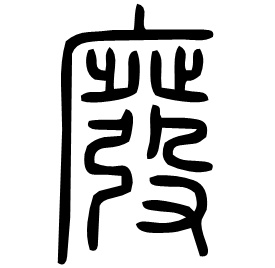
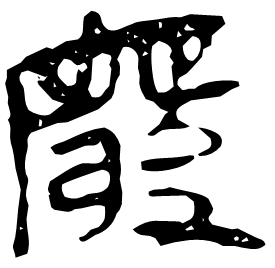
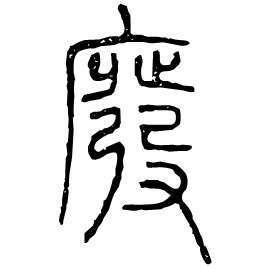
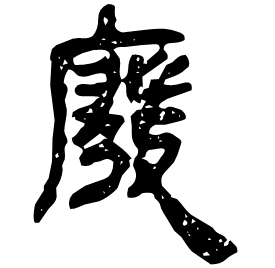
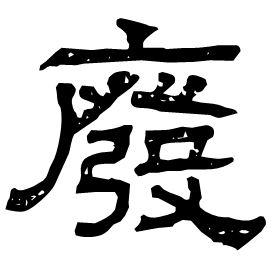
废 is the simplified form of 廢, a phono-semantic compound. The radical 广, which depicts a building or shelter, wraps around the top and left of the character and suggests a structure or dwelling. The inner component 发 (simplified from the traditional phonetic 發) indicates the sound. Originally, the character described a collapsed or ruined building. From this literal sense of structural decay, it came to mean abandoning a practice, abolishing a rule, or describing something as useless, discarded, or devoid of function.
Etymology Hide
Example Sentences Hide
别再说废话了。
这个废物没用。
请把废纸扔进垃圾桶。
政府废除了旧法律。
工厂废弃了旧设备。
这些废品可以回收利用。
处理工业废料需要小心。
由于经济原因,项目被废除了。
Report an issue
Flag incorrect definitions, examples, etymology, etc.