Definitions

(noun) ant

Etymology

Phonosemantic compound. represents the meaning and represents the sound. Simplified form of .

Semantic: Phonetic:

About

The character for "ant" has existed for millennia, with its traditional form "蟻" being composed of the insect radical "虫" combined with the component "義", which primarily served a phonetic function while perhaps secondarily evoking the idea of the insect's organized, "righteous" social order. Over time, the semantic focus of the character narrowed specifically to denote ants, moving away from any broader archaic classifications. The modern simplified form "蚁" emerged from a structural substitution, replacing the complex "義" with the simpler, phonetically similar component "义", thereby streamlining the character while maintaining its core association with the insect through the enduring "虫" radical.

Etymology Hide

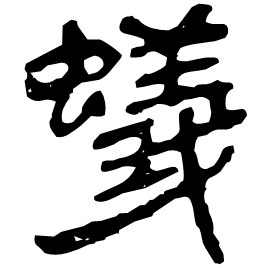
Clerical etymology image
Clerical Western Han dynasty (202 BC-9 AD)
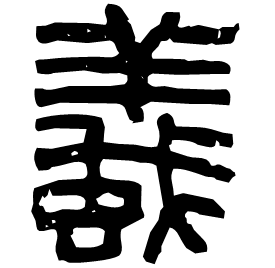
Seal etymology image
Seal Western Han dynasty (202 BC-9 AD)
Traditional Modern
Simplified Modern

Example Sentences Hide

地上有很多蚂

Dì shàng yǒu hěn duō mǎyǐ.

There are many ants on the ground.

在搬运食物。

Mǎyǐ zài bānyùn shíwù.

Ants are carrying food.

花园里聚集了一群蚂

Huāyuán lǐ jùjí le yī qún mǎyǐ.

A group of ants gathered in the garden.

小小的蚂力量很大。

Xiǎo xiǎo de mǎyǐ lìliàng hěn dà.

Tiny ants have great strength.

会破坏木头家具。

Báiyǐ huì pòhuài mùtou jiājù.

Termites can damage wooden furniture.

人群像蚂一样拥挤。

Rénqún xiàng mǎyǐ yīyàng yōngjǐ.

The crowd is as crowded as ants.

由于下雨,蚂都躲进了洞里。

Yóuyú xià yǔ, mǎyǐ dōu duǒ jìn le dòng lǐ.

Because of the rain, the ants all hid in their holes.

科学家研究了蚂的社会结构。

Kēxuéjiā yánjiū le mǎyǐ de shèhuì jiégòu.

Scientists have studied the social structure of ants.