Definitions
Etymology
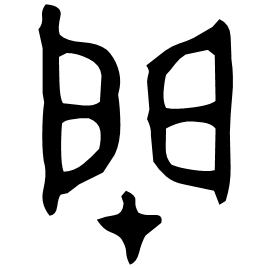
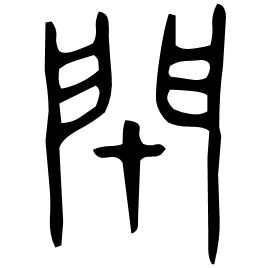
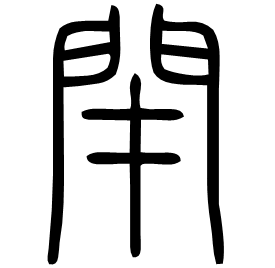
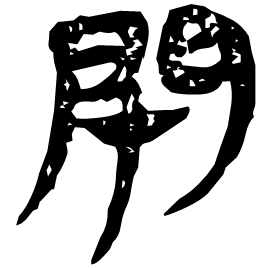
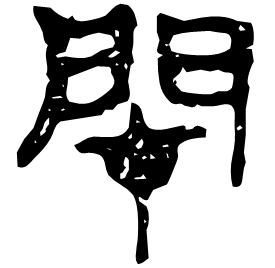
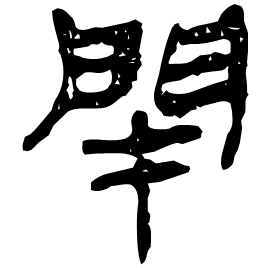
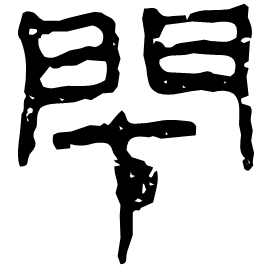
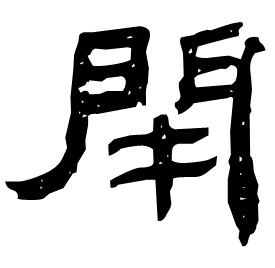
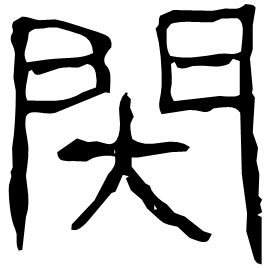
Simplified form of 閉. Depicts a door closed shut with horizontal bars.
About
闭 is the simplified form of 閉, both combining the door radical 门 (door) with 才, a component originally depicting a horizontal bar used to bolt a door shut, while also hinting at the pronunciation. This structure establishes the core meaning of entrances, barriers, and gateways. The character first referred to physically shutting or fastening a door to prevent entry or exit, then extended to closing objects in general, shutting down operations, and abstract notions of obstructing, concluding, or blocking access and communication.
Etymology Hide
Example Sentences Hide
请闭上眼睛。
他闭着嘴不说话。
商店在晚上九点闭店。
图书馆周一闭馆。
这位大师决定闭关修炼。
他闭门谢客,专心写作。
闭上眼睛,想象一片大海。
在公众场合发言时,他总会紧张得闭上眼睛。
Report an issue
Flag incorrect definitions, examples, etymology, etc.