About
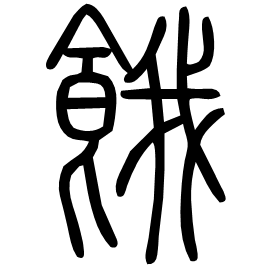
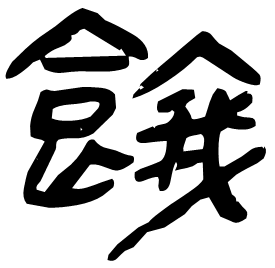
饿 is the simplified version of the traditional 餓, a phono-semantic compound. Its left side 饣 is a simplified radical from 食, conveying the meaning of food and eating. The right side 我 acts as the phonetic component, indicating the pronunciation. The character means hungry or starving, covering the full range from a mild everyday appetite to the severe malnutrition of famine, always centered on the physical sensations resulting from a lack of food.
Etymology Hide
Example Sentences Hide
我现在饿了。
他工作后很饿。
我饿了,想去吃饭。
早上我没吃饭,所以饿了。
饥饿的感觉很难受。
如果你饿了,就应该吃东西。
他非常饿,几乎走不动了。
尽管他已经饿了很长时间,但他还是决定先完成工作。
Report an issue
Flag incorrect definitions, examples, etymology, etc.