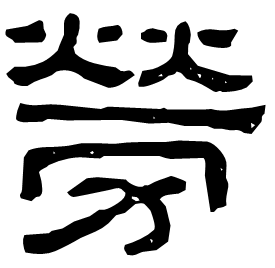
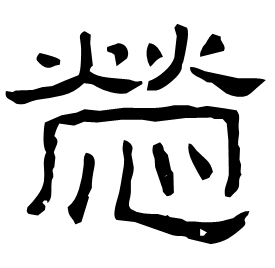
Definitions

láo (verb) to labor; to toil
láo (noun) labor; work
láo (verb) to trouble someone
láo (noun) meritorious deed

Etymology

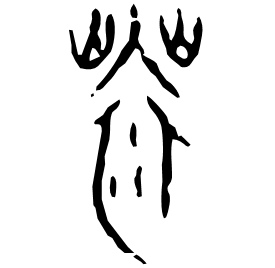
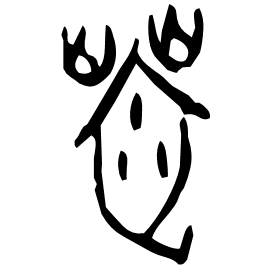
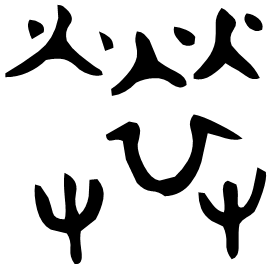
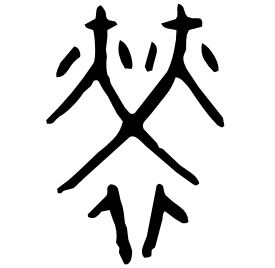
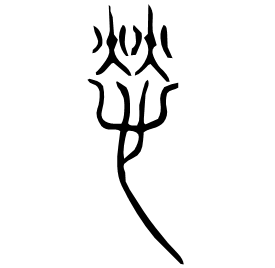
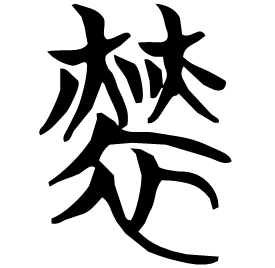
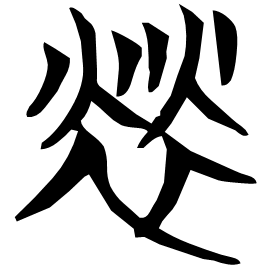
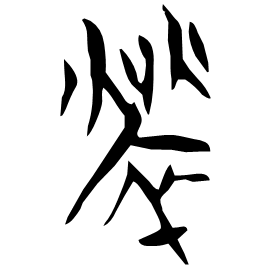
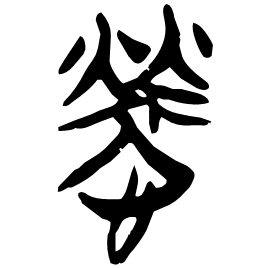
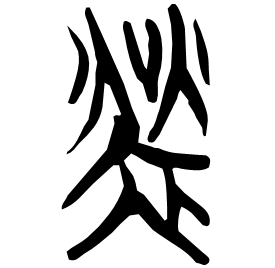
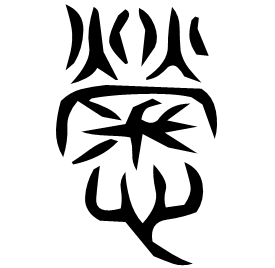
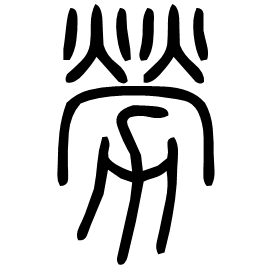
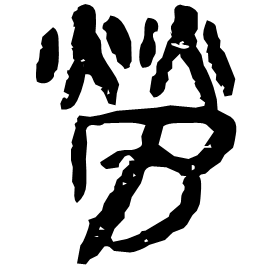
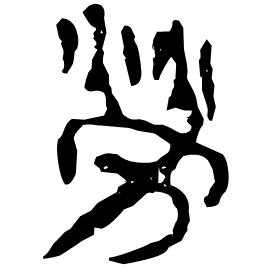
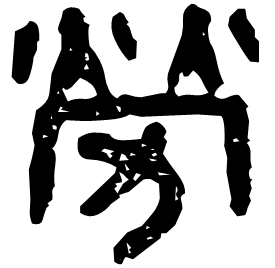
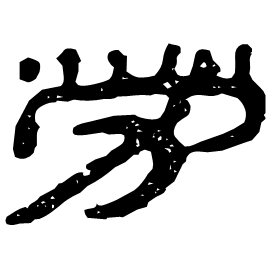
Simplified form of . Depicts the hard work of sewing clothes () with only firelight (). Later the (strength, power) component was added.

About

The character "劳", whose traditional form is "勞", is structured from the components "焱" representing flames and "力" denoting strength or effort, originally depicting the toil of tending a fire. Its core meaning of physical exertion or labor has remained consistent, though its application expanded from agricultural work to encompass any form of work, effort, or service. In its simplified form, the upper complex component was replaced with "艹", a common simplifying graphic element, while the lower component "力" was retained to preserve the conceptual link to effort.

Etymology Hide
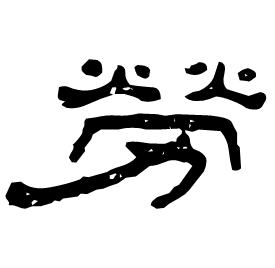
Oracle etymology image
Oracle (~1250-1000 BC)
Oracle etymology image
Oracle (~1250-1000 BC)
Bronze etymology image
Bronze Late Western Zhou (~800 BC)
Bronze etymology image
Bronze Mid Spring and Autumn (~600 BC)
Bronze etymology image
Bronze Late Warring States (~250 BC)
Seal etymology image
Seal Chu (Warring States: 475-221 BC)
Seal etymology image
Seal Chu (Warring States: 475-221 BC)
Seal etymology image
Seal Chu (Warring States: 475-221 BC)
Seal etymology image
Seal Chu (Warring States: 475-221 BC)
Seal etymology image
Seal Chu (Warring States: 475-221 BC)
Seal etymology image
Seal Shuowen (~100 AD)
Seal etymology image
Seal Shuowen (~100 AD)
Clerical etymology image
Clerical Qin dynasty (221-206 BC)
Clerical etymology image
Clerical Western Han dynasty (202 BC-9 AD)
Clerical etymology image
Clerical Western Han dynasty (202 BC-9 AD)
Clerical etymology image
Clerical Western Han dynasty (202 BC-9 AD)
Clerical etymology image
Clerical Eastern Han dynasty (25-220 AD)
Clerical etymology image
Clerical Eastern Han dynasty (25-220 AD)
Clerical etymology image
Clerical Eastern Han dynasty (25-220 AD)
Traditional Modern
Simplified Modern

Example Sentences Hide

动最光荣。

Láodòng zuì guāngróng.

Labor is most glorious.

他整天累地工作。

Tā zhěngtiān láolèi de gōngzuò.

He works hard all day long.

这份报酬是动的成果。

Zhè fèn bàochou shì láodòng de chéngguǒ.

This reward is the fruit of labor.

我们要尊重动者的付出。

Wǒmen yào zūnzhòng láodòng zhě de fùchū.

We must respect the efforts of the laborers.

公司慰了所有优秀员工。

Gōngsī wèiláo le suǒyǒu yōuxiù yuángōng.

The company showed appreciation to all outstanding employees.

他的功不会被大家忘记。

Tā de gōngláo bù huì bèi dàjiā wàngjì.

His contributions will not be forgotten by everyone.

这项任务神又费力。

Zhè xiàng rènwù láoshén yòu fèilì.

This task is mentally and physically exhausting.

社会发展中脑力动越来越重要。

Shèhuì fāzhǎn zhōng nǎolì láodòng yuèláiyuè zhòngyào.

Mental labor is becoming increasingly important in social development.