Definitions

cháng (adverb) often; frequently
cháng (adjective) common; regular; normal
cháng (adjective) constant; always

Etymology

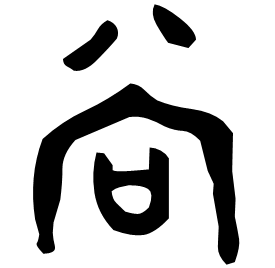
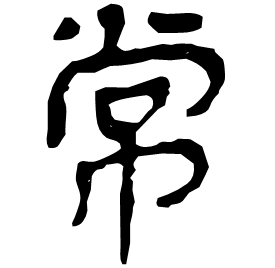
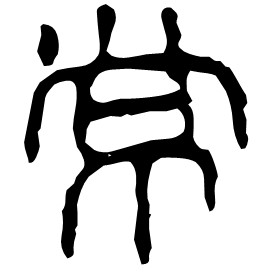
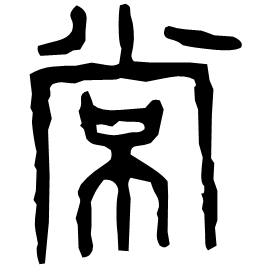
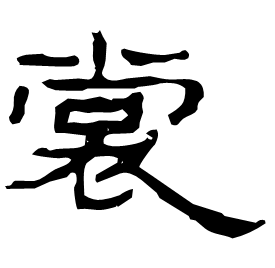
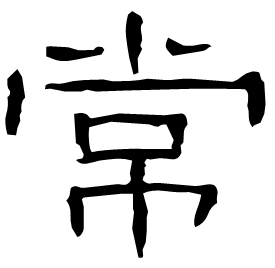
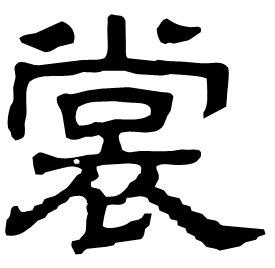
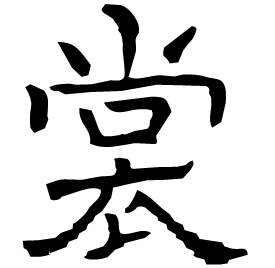
Phonosemantic compound. represents the meaning and represents the sound. Based on the original meaning, "lower garment", now written as . The current meaning is a phonetic loan.

Semantic: Phonetic:

About

The character "常" etymologically derives from the concept of a garment, specifically a lower skirt, evident in its structural composition combining the cloth radical "巾" with the phonetic component "尚". Initially conveying this concrete meaning, its semantic range gradually expanded toward abstract notions of constancy and regularity, likely influenced by the perpetual use of clothing in everyday life. Over time, these associations solidified into meanings pertaining to what is usual, common, or frequent, which now dominate its modern usage, all while the character's form has maintained its original components despite this significant shift in connotation.

Etymology Hide

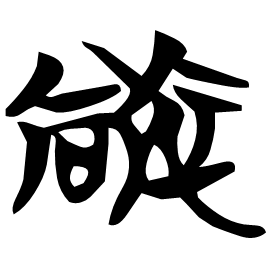
Bronze etymology image
Bronze Early Spring and Autumn (~700 BC)
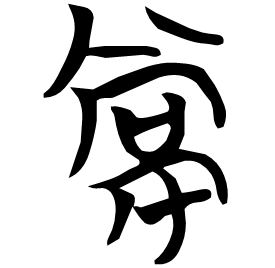
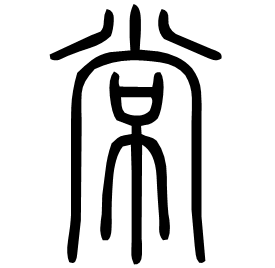
Seal etymology image
Seal Chu (Warring States: 475-221 BC)
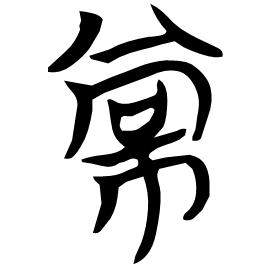
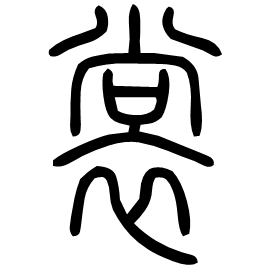
Seal etymology image
Seal Chu (Warring States: 475-221 BC)
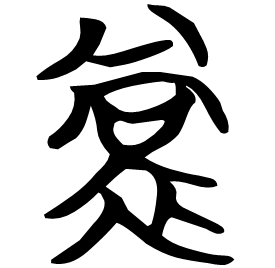
Seal etymology image
Seal Chu (Warring States: 475-221 BC)
Seal etymology image
Seal Chu (Warring States: 475-221 BC)
Seal etymology image
Seal Shuowen (~100 AD)
Seal etymology image
Seal Shuowen (~100 AD)
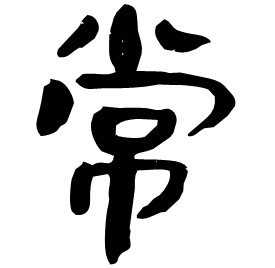
Clerical etymology image
Clerical Qin dynasty (221-206 BC)
Clerical etymology image
Clerical Western Han dynasty (202 BC-9 AD)
Clerical etymology image
Clerical Western Han dynasty (202 BC-9 AD)
Clerical etymology image
Clerical Western Han dynasty (202 BC-9 AD)
Clerical etymology image
Clerical Western Han dynasty (202 BC-9 AD)
Clerical etymology image
Clerical Eastern Han dynasty (25-220 AD)
Clerical etymology image
Clerical Eastern Han dynasty (25-220 AD)
Clerical etymology image
Clerical Western Jin dynasty (266-316 AD)
Traditional Modern
Simplified Modern

Example Sentences Hide

早起。

Wǒ chángcháng zǎo qǐ.

I often wake up early.

妈妈经做面包。

Māma jīngcháng zuò miànbāo.

Mom often makes bread.

天气变化是正的。

Tiānqì biànhuà shì zhèngcháng de.

Weather changes are normal.

我们通周末去购物。

Wǒmen tōngcháng zhōumò qù gòuwù.

We usually go shopping on weekends.

他不看电视。

Tā bù cháng kàn diànshì.

He doesn't often watch TV.

在图书馆学习到很晚。

Tā chángcháng zài túshūguǎn xuéxí dào hěn wǎn.

She often studies in the library until very late.

保持态对心理健康很重要。

Bǎochí chángtài duì xīnlǐ jiànkāng hěn zhòngyào.

Maintaining a normal state is important for mental health.

在异情况下,我们必须采取规措施。

Zài yìcháng qíngkuàng xià, wǒmen bìxū cǎiqǔ chángguī cuòshī.

In abnormal situations, we must take conventional measures.