About
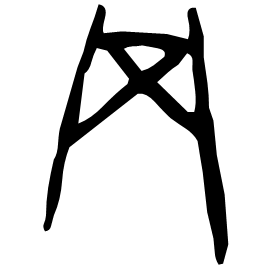
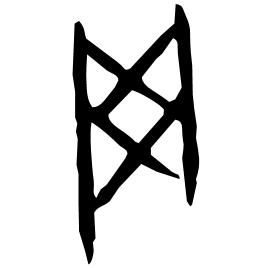
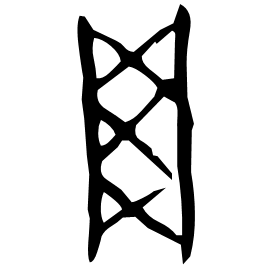
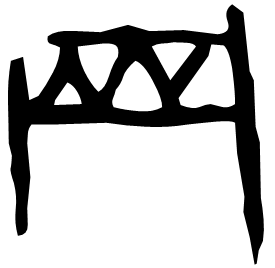
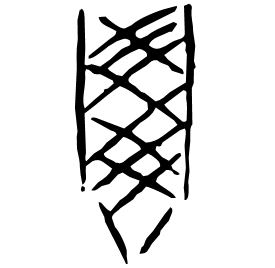
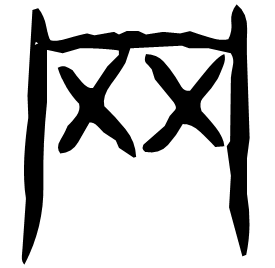
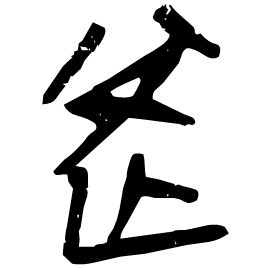
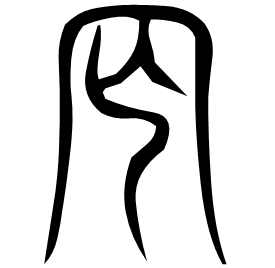
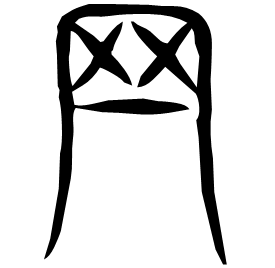
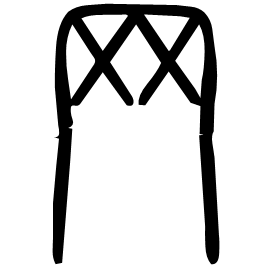
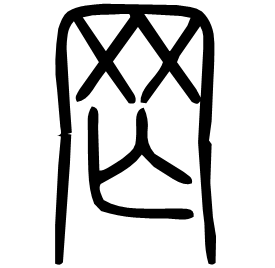
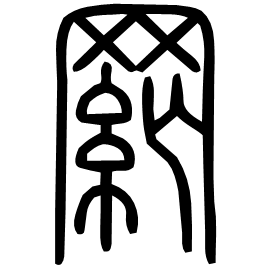
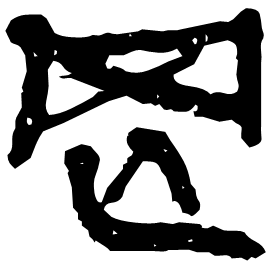
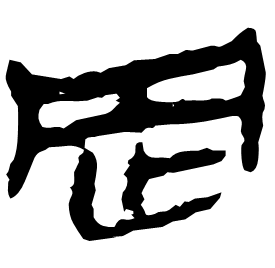
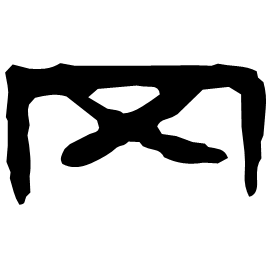
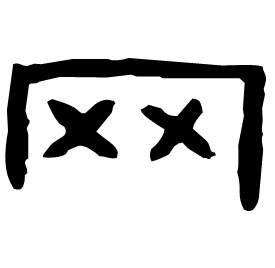
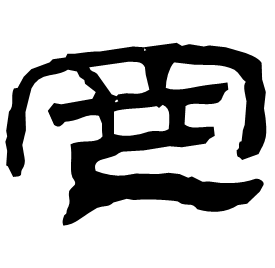
罔 (wǎng) is a phonosemantic compound combining 网 'net' (meaning) and 亡 'wáng' (sound). Its earliest sense was 'hunting or fishing net', but that meaning was later taken over by 網 (which adds the silk radical 糸). As the character was co-opted for abstract uses, it shifted to convey deception and falsehood, metaphorically, a trap made of words. In classical texts it also functions as a negative particle meaning 'none', 'not', or 'without', entirely removed from any physical net.
Etymology Hide
Example Sentences Hide
他罔顾他人的感受。
不要罔顾安全规则。
她罔顾劝告继续冒险。
欺罔顾客是不道德的行为。
政府不应罔顾民众的合理诉求。
该公司罔顾环境影响,受到了严厉处罚。
如果罔顾法律,个人将会面临严重后果。
在决策过程中,罔顾专家意见可能导致灾难性失败。
Report an issue
Flag incorrect definitions, examples, etymology, etc.