About
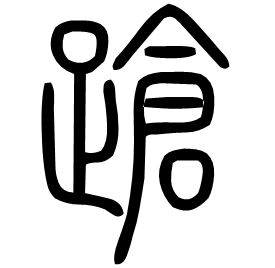
跄 is a phono-semantic compound with the foot radical 𧾷 (足) on the left, indicating a meaning related to walking or leg movement, and 仓 on the right as the phonetic component. It is the simplified form of 蹌, replacing the traditional phonetic 倉. Historically, the character described a rapid or rhythmically measured gait in formal ceremonies. Today, it has shifted to the opposite meaning: a staggering, unsteady walk, often from injury, exhaustion, or intoxication.
Etymology Hide
Example Sentences Hide
他走路有点踉跄。
老人踉跄地向前走。
他喝醉后踉跄回家。
受伤的运动员踉跄着冲过终点。
在黑暗中,他踉跄了几步才站稳。
她因头晕而踉跄了一下。
尽管踉跄不断,他仍然坚持走到了目的地。
在暴风雨中,他踉跄着试图保持平衡,但最终还是摔倒了。
Example Words
Report an issue
Flag incorrect definitions, examples, etymology, etc.