Definitions

(noun) hegemon; tyrant; lord
(verb) to rule by force; to dominate
(adjective) master; dominant

Etymology phono-semantic

rain

Semantic:

About

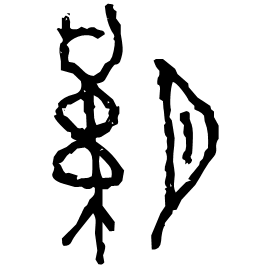
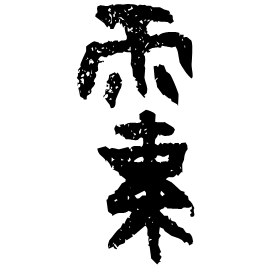
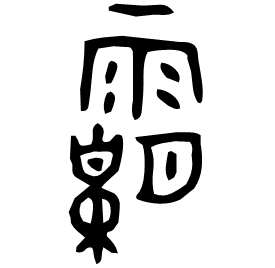
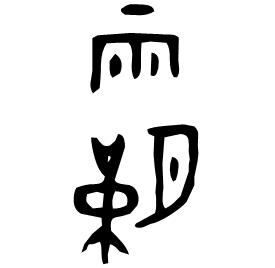
The character 霸, structurally composed of 雨 above 革 and 月, originally derived from a reference to lunar phases, with the 月 component directly indicating this early association with the moon. Its meaning shifted from denoting celestial patterns to signifying a feudal hegemon, a ruler who achieved supremacy through military force rather than moral authority during the Spring and Autumn period. This political term further evolved to convey broader concepts of domination and coercive control, evident in modern compounds such as 霸占 for seizing by force and 霸道 for overbearing conduct. The character's form, consistent in both writing systems, retains these components which trace its etymological progression from an astronomical term to one centered on power and authority.

Etymology Hide

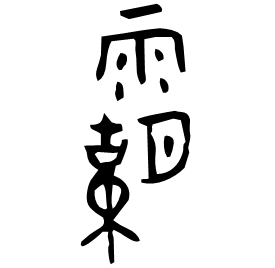
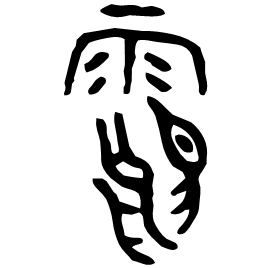
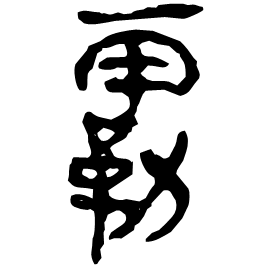
Oracle etymology image
Oracle (~1250-1000 BC)
Oracle etymology image
Oracle (~1250-1000 BC)
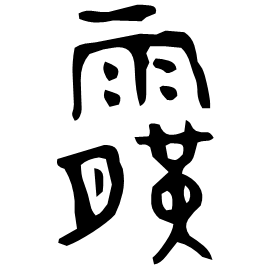
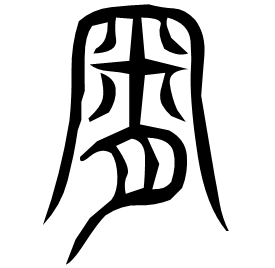
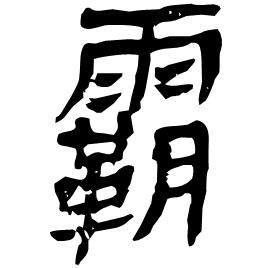
Bronze etymology image
Bronze Early Western Zhou (~1000 BC)
Bronze etymology image
Bronze Early Western Zhou (~1000 BC)
Bronze etymology image
Bronze Mid Western Zhou (~900 BC)
Bronze etymology image
Bronze Mid Western Zhou (~900 BC)
Bronze etymology image
Bronze Mid Western Zhou (~900 BC)
Bronze etymology image
Bronze Late Western Zhou (~800 BC)
Bronze etymology image
Bronze Late Western Zhou (~800 BC)
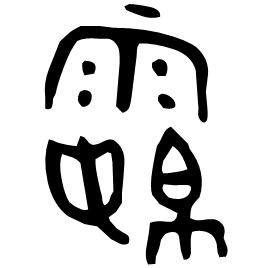
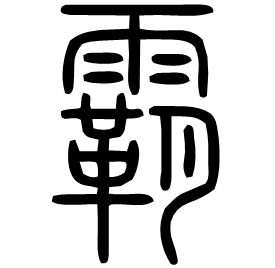
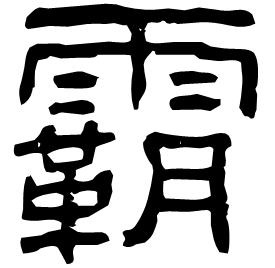
Seal etymology image
Seal Shuowen (~100 AD)
Seal etymology image
Seal Shuowen (~100 AD)
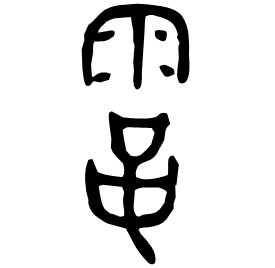
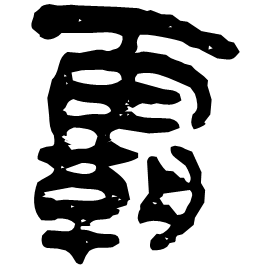
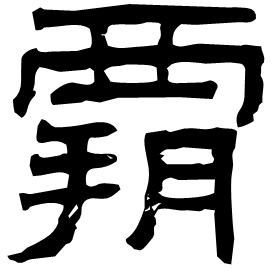
Clerical etymology image
Clerical Western Han dynasty (202 BC-9 AD)
Clerical etymology image
Clerical Western Han dynasty (202 BC-9 AD)
Clerical etymology image
Clerical Western Han dynasty (202 BC-9 AD)
Clerical etymology image
Clerical Eastern Han dynasty (25-220 AD)
Clerical etymology image
Clerical Western Jin dynasty (266-316 AD)
Traditional Modern
Simplified Modern

Example Sentences Hide

那个孩子很道。

Nàge háizi hěn bàdào.

That child is very bossy.

占了整个沙发。

Tā bàzhàn le zhěnggè shāfā.

He hogged the entire sofa.

历史上曾有国家争夺权。

Lìshǐ shàng céng yǒu guójiā zhēngduó bàquán.

Historically, there were countries contending for hegemony.

他是这一带的恶

Tā shì zhè yī dài de èbà.

He is the local bully in this area.

项羽被称为西楚王。

Xiàng Yǔ bèi chēng wéi Xīchǔ Bàwáng.

Xiang Yu was called the Hegemon-King of Western Chu.

她是全班公认的学

Tā shì quán bān gōngrèn de xuébà.

She is the class-recognized study tyrant (top student).

我们必须坚决反对校园凌。

Wǒmen bìxū jiānjué fǎnduì xiàoyuán bàlíng.

We must resolutely oppose school bullying.

两家公司展开了市场争战。

Liǎng jiā gōngsī zhǎnkāi le shìchǎng zhēngbà zhàn.

The two companies started a battle for market dominance.