About
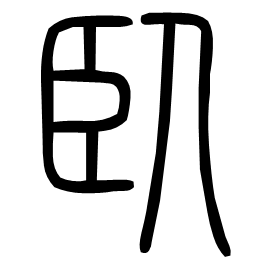
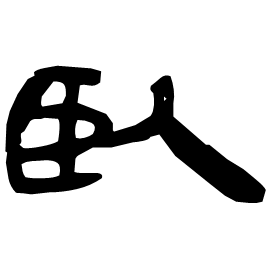
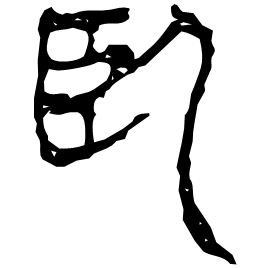
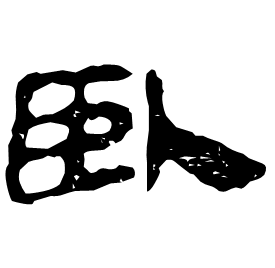
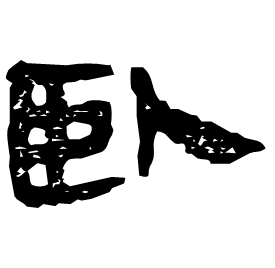
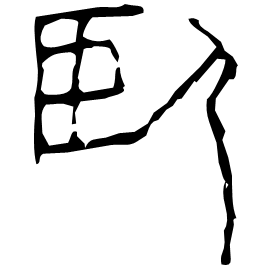
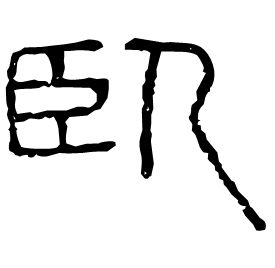
卧 (traditional 臥) combines the eye component 臣 with a person component, appearing as 卜 in simplified and 人 in traditional. The character depicts a person leaning forward with their eye, preparing to lie down and sleep. Its core meaning is reclining, lying down, or sleeping, applicable to humans resting in beds and animals crouching on the ground, and extends to furniture or rooms designed for sleep, such as a bedroom or sleeping carriage.
Etymology Hide
Example Sentences Hide
他卧在床上。
卧室里很安静。
小猫卧在阳光下。
他静静地卧在草地上。
卧铺车厢里乘客不多。
这款沙发可以卧着看电视。
患者需要卧床休息一周。
卧式发动机节省空间。
Report an issue
Flag incorrect definitions, examples, etymology, etc.