About
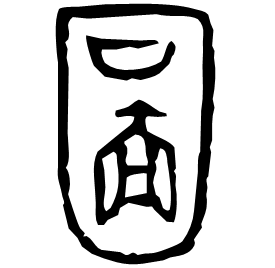
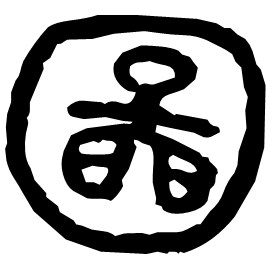
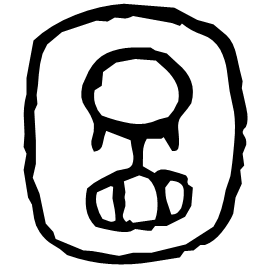
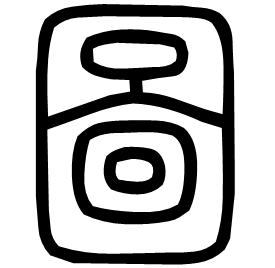
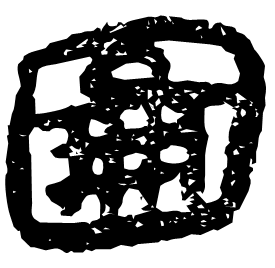
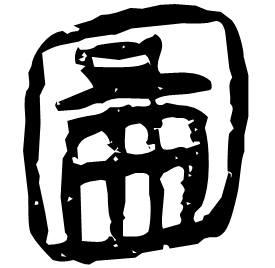
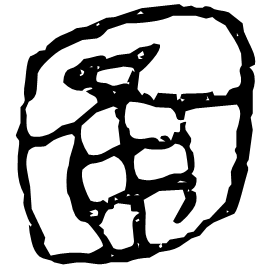
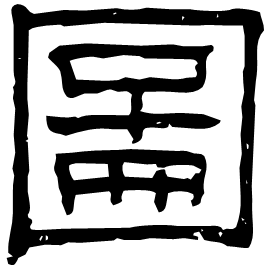
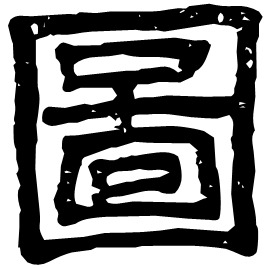
图 is the simplified form of 圖. The traditional character combines 囗 (representing city boundaries) and 啚 (depicting places outside those boundaries), together conveying a map or plan. Its original meaning was mapping out territories and administrative boundaries. Over time, it broadened to mean any picture, drawing, diagram, or visual representation of data and space. In the simplified form, the complex inner 啚 is replaced with 冬 as a stroke-saving shorthand, while the enclosing 囗 remains.
Etymology Hide
Example Sentences Hide
我正在看地图。
这张图片很漂亮。
我去图书馆看书。
他试图解决这个问题。
这个图表显示数据。
不要贪图便宜的商品。
工程师正在设计图纸。
他们图谋夺取公司的控制权。
Report an issue
Flag incorrect definitions, examples, etymology, etc.