About
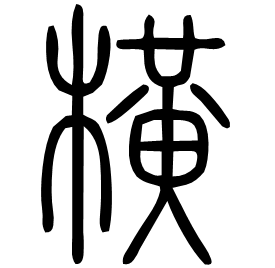
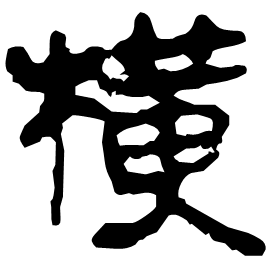
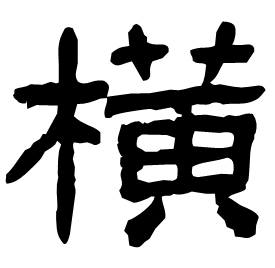
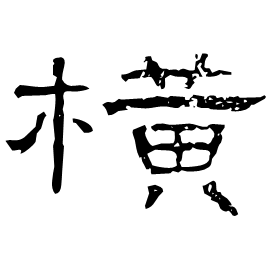
横 is a phono-semantic compound combining the radical 木 (wood) on the left with the phonetic component 黄 (huáng) on the right; it is the simplified form of 橫. Originally, it referred to a wooden crossbar or horizontal beam placed as a barrier, gate, or yoke. Because such a bar lies crosswise, the meaning extended to anything horizontal, transverse, or intersecting. Pronounced with a different tone (hèng), the character describes an attitude that goes against the grain, perverse, harsh, or unreasonable.
Etymology Hide
Example Sentences Hide
这条河很宽。
请横向移动这个箱子。
不要横穿马路,很危险。
螃蟹是横着走路的动物。
那座新建的大桥横跨大江两岸。
事情本来很顺利,谁知又横生枝节。
他对别人的工作总是横加指责。
在历史的洪流中,个人命运往往显得横逆莫测。
Report an issue
Flag incorrect definitions, examples, etymology, etc.