Definitions

yāng calamity

Etymology

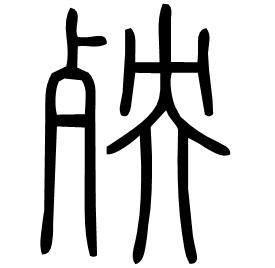
Phonosemantic compound. represents the meaning and represents the sound.

Semantic: Phonetic:

About

The character "殃" derives from a compositional logic that pairs the radical "歹", denoting death or malevolence, with the component "央" primarily for its phonetic value, creating a form that originally signified calamities perceived as divine punishments or moral consequences. Throughout its historical usage, the semantic scope of "殃" gradually broadened from these specifically ominous misfortunes to include general disasters and personal adversities, though its constitutive elements have consistently pointed toward its association with harm. This evolution in meaning reflects a shift from a worldview where catastrophes were often linked to supernatural agency toward a more secular understanding of misfortune, while the character's structural integrity has been maintained across time.

Etymology Hide

Seal etymology image
Seal Shuowen (~100 AD)
Traditional Modern
Simplified Modern

Example Sentences Hide

灾难及无辜。

Zāinàn yāngjí wúgū.

The disaster affects the innocent.

火灾让整个城市遭

Huǒzāi ràng zhěnggè chéngshì zāoyāng.

The fire made the whole city suffer.

污染会及后代。

Wūrǎn huì yāngjí hòudài.

Pollution will affect future generations.

这场事故及了许多家庭。

Zhè chǎng shìgù yāngjí le xǔduō jiātíng.

This accident affected many families.

经济衰退及全球市场。

Jīngjì shuāituì yāngjí quánqiú shìchǎng.

The economic recession adversely affected the global market.

他的错误决定及了整个团队。

Tā de cuòwù juédìng yāngjí le zhěnggè tuánduì.

His wrong decision brought disaster to the whole team.

自然灾害往往及最脆弱的群体。

Zìrán zāihài wǎngwǎng yāngjí zuì cuìruò de qúntǐ.

Natural disasters often affect the most vulnerable groups.

如果管理不当,这种疾病可能及整个国家。

Rúguǒ guǎnlǐ bù dàng, zhè zhǒng jíbìng kěnéng yāngjí zhěnggè guójiā.

If not managed properly, this disease could calamitously affect the entire country.