Definitions

kǎo (verb) to test; to examine; to take an exam
kǎo (verb) check; inspect; verify
kǎo (noun) deceased father

Etymology

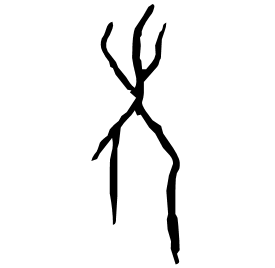
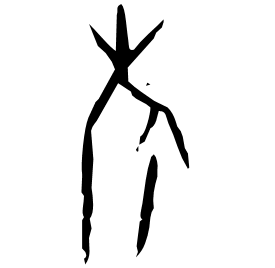
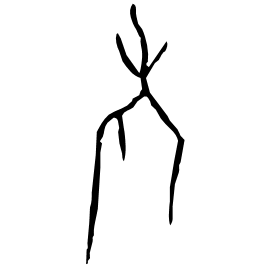
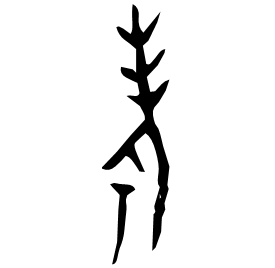
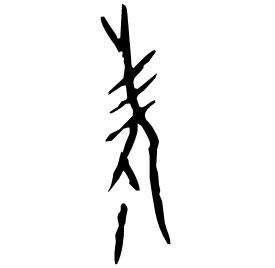
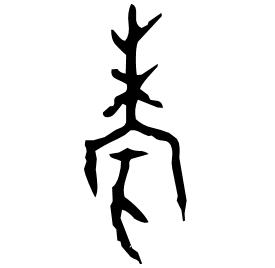
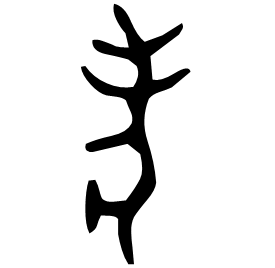
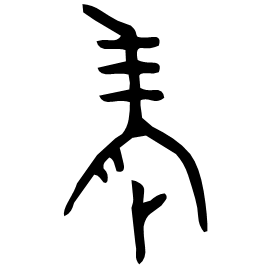
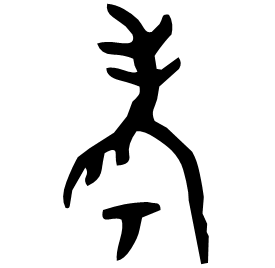
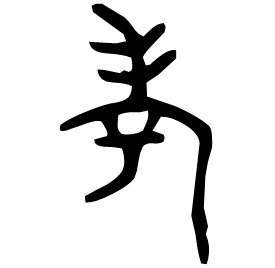
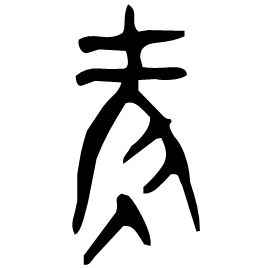
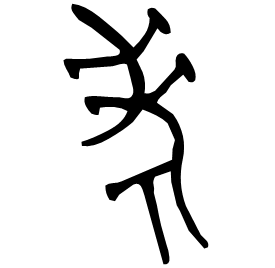
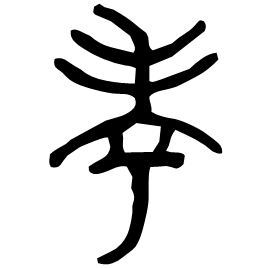
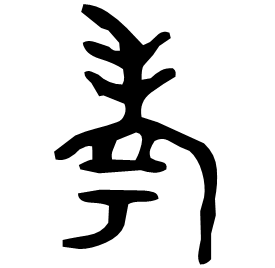
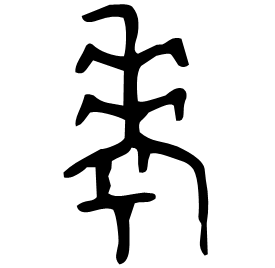
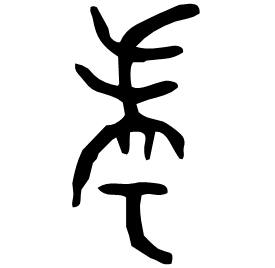
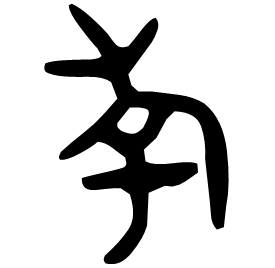
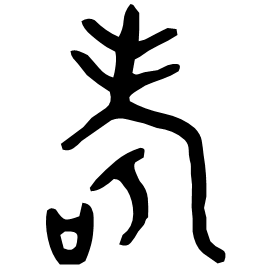
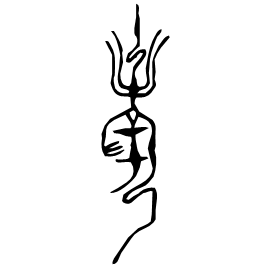
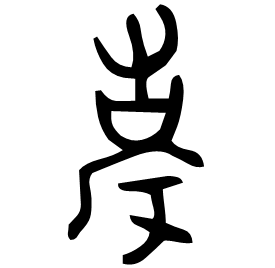
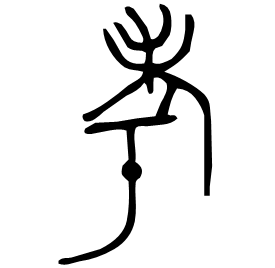
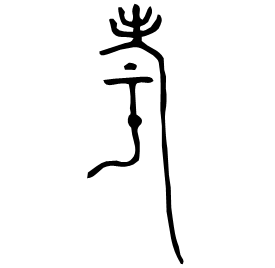
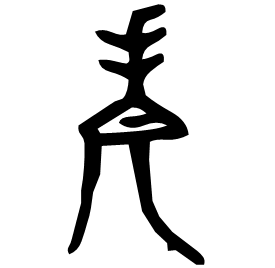
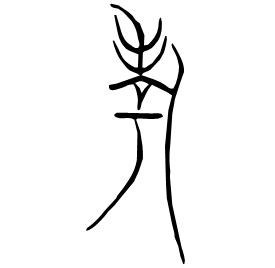
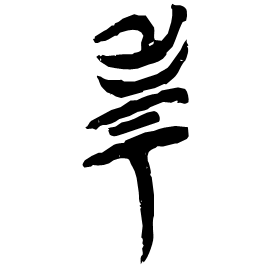
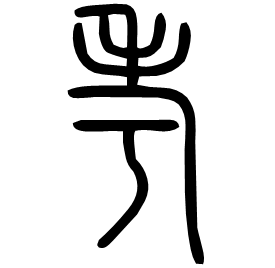
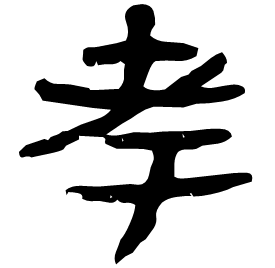
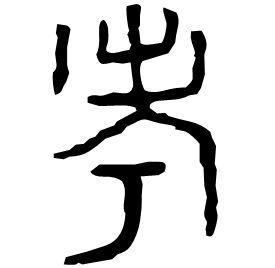
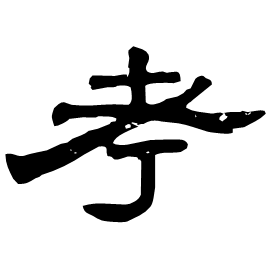
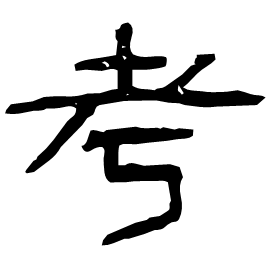
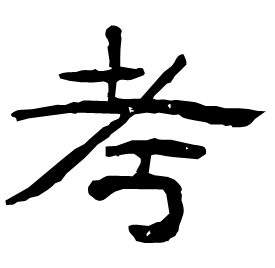
Depicts an old man () with a cane (). Originally the same character as . Based on the original meaning "old father". The current meaning is a phonetic loan.

Semantic: Phonetic:

About

The character "考" traces its etymology to conceptualizations of old age, being structurally and semantically linked to the character "老", with its composition featuring the "老" radical over the component "丂", which provided phonetic guidance and may have depicted an aged stance. While its earliest signification centered on the elderly or longevity, the meaning of "考" later extended to denote processes of examination and inquiry, likely due to the association of elders with authoritative judgment. This semantic expansion established its modern principal functions relating to tests and investigation, although classical texts still employ it in references to ancestors or antiquity.

Etymology Hide
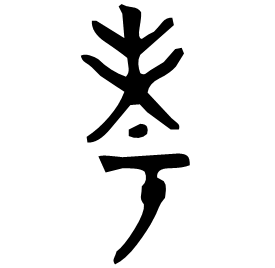
Oracle etymology image
Oracle (~1250-1000 BC)
Oracle etymology image
Oracle (~1250-1000 BC)
Oracle etymology image
Oracle (~1250-1000 BC)
Oracle etymology image
Oracle (~1250-1000 BC)
Oracle etymology image
Oracle (~1250-1000 BC)
Oracle etymology image
Oracle (~1250-1000 BC)
Bronze etymology image
Bronze Early Western Zhou (~1000 BC)
Bronze etymology image
Bronze Early Western Zhou (~1000 BC)
Bronze etymology image
Bronze Early Western Zhou (~1000 BC)
Bronze etymology image
Bronze Mid Western Zhou (~900 BC)
Bronze etymology image
Bronze Mid Western Zhou (~900 BC)
Bronze etymology image
Bronze Mid Western Zhou (~900 BC)
Bronze etymology image
Bronze Late Western Zhou (~800 BC)
Bronze etymology image
Bronze Late Western Zhou (~800 BC)
Bronze etymology image
Bronze Late Western Zhou (~800 BC)
Bronze etymology image
Bronze Late Western Zhou (~800 BC)
Bronze etymology image
Bronze Late Western Zhou (~800 BC)
Bronze etymology image
Bronze Late Western Zhou (~800 BC)
Bronze etymology image
Bronze Late Spring and Autumn (~500 BC)
Bronze etymology image
Bronze Late Spring and Autumn (~500 BC)
Bronze etymology image
Bronze Late Spring and Autumn (~500 BC)
Bronze etymology image
Bronze Late Spring and Autumn (~500 BC)
Bronze etymology image
Bronze Late Spring and Autumn (~500 BC)
Bronze etymology image
Bronze Early Warring States (~400 BC)
Bronze etymology image
Bronze Late Warring States (~250 BC)
Seal etymology image
Seal Chu (Warring States: 475-221 BC)
Seal etymology image
Seal Shuowen (~100 AD)
Clerical etymology image
Clerical Qin dynasty (221-206 BC)
Clerical etymology image
Clerical Western Han dynasty (202 BC-9 AD)
Clerical etymology image
Clerical Eastern Han dynasty (25-220 AD)
Clerical etymology image
Clerical Eastern Han dynasty (25-220 AD)
Clerical etymology image
Clerical Eastern Han dynasty (25-220 AD)
Traditional Modern
Simplified Modern

Example Sentences Hide

我今天有试。

Wǒ jīntiān yǒu kǎoshì.

I have an exam today.

他正在虑问题。

Tā zhèngzài kǎolǜ wèntí.

He is considering a problem.

明天我们数学。

Míngtiān wǒmen kǎo shùxué.

Tomorrow we have a math exam.

她打算研。

Tā dǎsuàn kǎoyán.

She plans to take the postgraduate exam.

公司派人去察市场。

Gōngsī pài rén qù kǎochá shìchǎng.

The company sent people to investigate the market.

取了清华大学。

Tā kǎoqǔ le Qīnghuá Dàxué.

He was admitted to Tsinghua University.

如果你虑清楚,就可以做决定。

Rúguǒ nǐ kǎolǜ qīngchǔ, jiù kěyǐ zuò juédìng.

If you consider it clearly, you can make a decision.

经过仔细察,我们终于找到了问题的根源。

Jīngguò zǐxì kǎochá, wǒmen zhōngyú zhǎodào le wèntí de gēnyuán.

After careful investigation, we finally found the root of the problem.