About
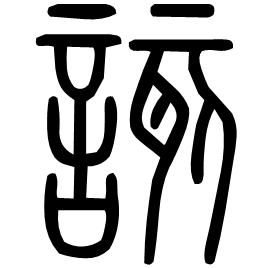
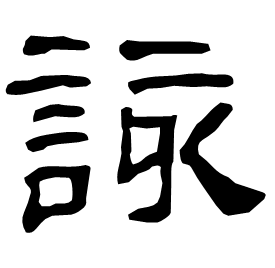
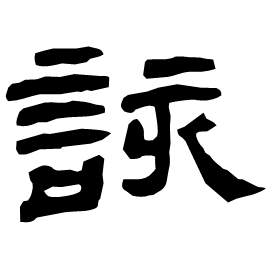
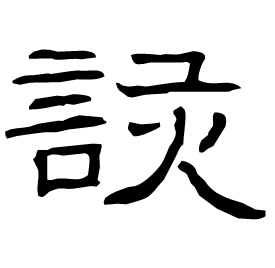
该 is the simplified character for 該. It is composed of the speech radical ("言") and the component "亥", making it a phono-semantic compound character. The "言" radical indicates that the meaning is related to speech, while "亥" provides the pronunciation. The original meaning of "该" referred to military agreements or orders, which later extended to mean complete or all-inclusive—specifically, the thoroughness and comprehensiveness of a verbal agreement. Over time, the meaning of "该" underwent a significant shift. Today, it is primarily used as an auxiliary verb indicating that something ought to be a certain way or needs to be done (meaning "should" or "ought to"). In written language, it is also frequently used as a demonstrative pronoun referring to a person or thing mentioned previously, equivalent to "the aforementioned" or "that". This modern usage has absolutely no connection to its original meaning of a military agreement.
Etymology Hide
Example Sentences Hide
你现在该休息了。
我们该学习新知识了。
他该为自己的行为负责。
你觉得我该怎么做?
该公司的业绩很好。
根据规定,该员工应该得到奖励。
如果天气不好,该活动可能会取消。
鉴于当前形势,该地区采取了紧急措施。
Report an issue
Flag incorrect definitions, examples, etymology, etc.