About
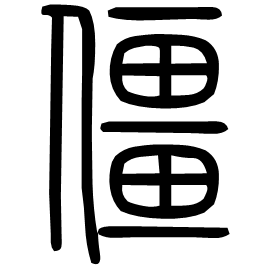
The character 僵 is a phono-semantic compound where the left radical 亻 (rén), meaning person, provides the semantic category, while the right component 畺 (jiāng), originally denoting field boundaries, provides the phonetic element. Its core meaning describes a state of physical stiffness or rigidity, often referring to a human body that has lost mobility. This sense later extended metaphorically to describe deadlocked situations, such as stalemates in negotiations or institutional inflexibility where progress has stalled.
Etymology Hide
Example Sentences Hide
他的表情很僵硬。
冬天里,手指容易僵硬。
僵尸电影很受欢迎。
双方僵持不下,谈判暂停。
这个僵局需要打破。
他的思想僵化,不接受新观念。
由于资金问题,项目陷入了僵局。
在激烈的辩论中,他僵立原地,无言以对。