Definitions

jiù fault; to blame; to punish; calamity; misfortune

Etymology

Phonosemantic compound. represents the meaning and represents the sound.

Semantic: Phonetic:

About

The character 咎, which remains consistent in both traditional and simplified systems, is etymologically composed of the elements 处 (to dwell or manage) and 口 (mouth), a structure suggesting a connection to verbal judgment or censure. Its earliest meanings conveyed a sense of calamity or misfortune, which was understood to arise from a fault or mistake, thus blending the concept of cause and consequence. Over time, the emphasis of the character shifted more decisively from the external misfortune itself to the internal attribution of blame or responsibility for that error, solidifying its primary modern definitions of "fault" or "to blame". This evolution reflects a conceptual refinement where the character came to denote the assignation of culpability rather than merely the resulting ill fate.

Etymology Hide

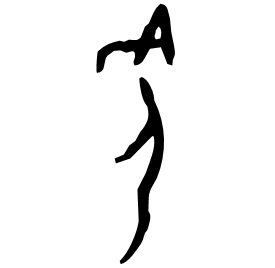
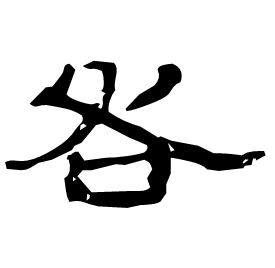
Oracle etymology image
Oracle (~1250-1000 BC)
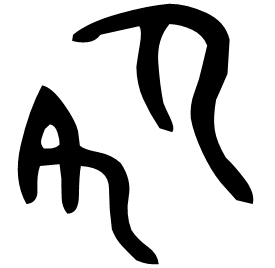
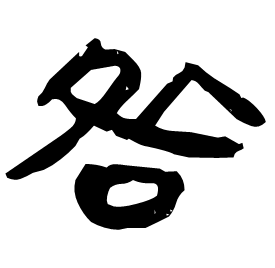
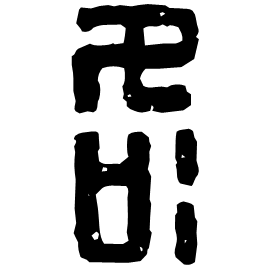
Bronze etymology image
Bronze Late Shang dynasty (~1100 BC)
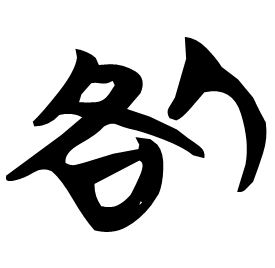
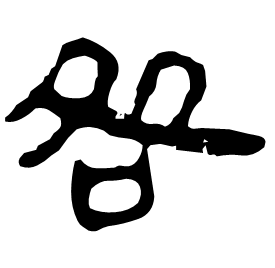
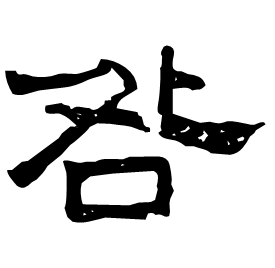
Seal etymology image
Seal Chu (Warring States: 475-221 BC)
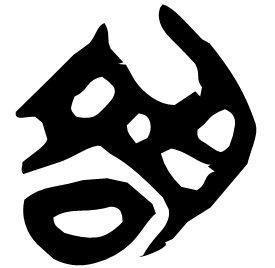
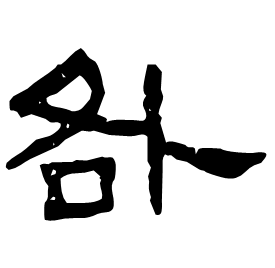
Seal etymology image
Seal Chu (Warring States: 475-221 BC)
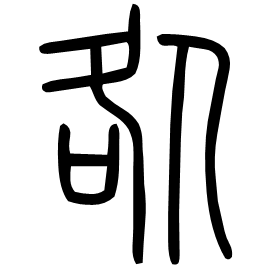
Seal etymology image
Seal Shuowen (~100 AD)
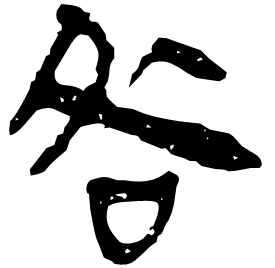
Clerical etymology image
Clerical Qin dynasty (221-206 BC)
Clerical etymology image
Clerical Western Han dynasty (202 BC-9 AD)
Clerical etymology image
Clerical Western Han dynasty (202 BC-9 AD)
Clerical etymology image
Clerical Western Han dynasty (202 BC-9 AD)
Seal etymology image
Seal Western Han dynasty (202 BC-9 AD)
Clerical etymology image
Clerical Eastern Han dynasty (25-220 AD)
Clerical etymology image
Clerical Eastern Han dynasty (25-220 AD)
Traditional Modern
Simplified Modern

Example Sentences Hide

他将失败归于运气。

Tā jiāng shībài guījiù yú yùnqì.

He blames the failure on luck.

别把错误归于我。

Bié bǎ cuòwù guījiù yú wǒ.

Don't blame the mistake on me.

人们常将问题归于政府。

Rénmen cháng jiāng wèntí guījiù yú zhèngfǔ.

People often blame problems on the government.

你不应该自过度。

Nǐ bù yīnggāi zìjiù guòdù.

You shouldn't blame yourself excessively.

这场事故的责在他身上。

Zhè chǎng shìgù de jiùzé zài tā shēnshàng.

The blame for this accident lies with him.

公司领导引辞职了。

Gōngsī lǐngdǎo yǐnjiù cízhí le.

The company leader resigned to take the blame.

无需为他的过失而责自己。

Wúxū wèi tā de guòshī ér jiùzé zìjǐ.

There is no need to blame yourself for his mistake.

尽管多方调查,事故的真正因仍未查明。

Jǐnguǎn duōfāng diàochá, shìgù de zhēnzhèng jiùyīn réng wèi chámíng.

Despite multiple investigations, the real cause of the accident remains unclear.