Definitions

(verb) to wipe
(verb) to smear; to wipe; to erase
(verb) to plaster; to go around

Etymology

Phonosemantic compound. represents the meaning and represents the sound.

Semantic: Phonetic:

About

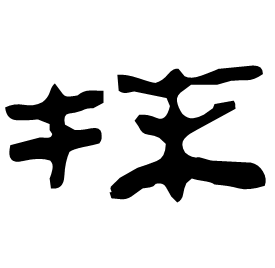
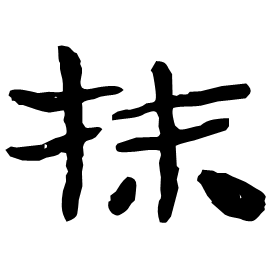
The character "抹" is structured as a phono-semantic compound, combining the hand radical (扌) to denote manual action with the phonetic component "末" which provides its pronunciation, originally conveying meanings associated with wiping, smearing, or applying by hand. Over time, its semantic range expanded to include related actions such as erasing or spreading substances thinly, reflecting an adaptation to describe both physical and metaphorical applications of hand motions. The consistency of its form across historical periods underscores a direct link between its etymological construction and its functional meanings, with the components continuing to clearly signal its auditory and conceptual associations.

Etymology Hide

Clerical etymology image
Clerical Western Han dynasty (202 BC-9 AD)
Clerical etymology image
Clerical Western Han dynasty (202 BC-9 AD)
Traditional Modern
Simplified Modern

Example Sentences Hide

我用布擦桌子。

Wǒ yòng mā bù cā zhuōzi.

I use a cloth to wipe the table.

他在墙上涂颜料。

Tā zài qiáng shàng tú mǒ yán liào.

He is smearing paint on the wall.

掉黑板上的字。

Qǐng mǒ diào hēibǎn shàng de zì.

Please erase the words on the blackboard.

我喜欢喝茶拿铁。

Wǒ xǐhuān hē mǒ chá ná tiě.

I like to drink matcha latte.

我们不能杀他的功劳。

Wǒmen bù néng mǒ shā tā de gōngláo.

We cannot obliterate his contributions.

不要黑别人的名声。

Bùyào mǒ hēi biérén de míngshēng.

Do not smear others' reputation.

时间不去美好的回忆。

Shíjiān mǒ bù qù měihǎo de huíyì.

Time cannot wipe away beautiful memories.

她用精致的刀涂奶油。

Tā yòng jīngzhì de mǒ dāo tú mǒ nǎiyóu.

She uses a fine spatula to spread cream.