About
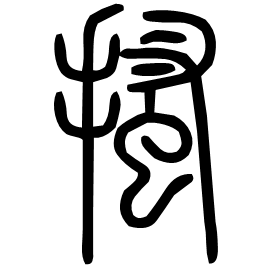
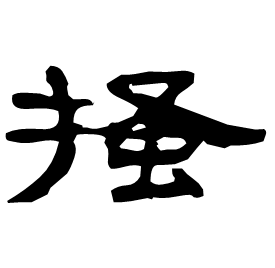
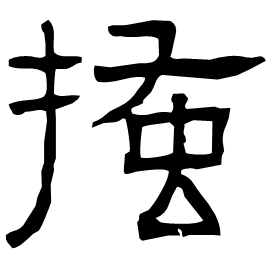
The character 搔 is a phono-semantic compound that combines the hand radical 扌 with the character for flea, 蚤. The semantic 扌 signals a physical action involving the hands or fingers, while the phonetic 蚤 sets the pronunciation. At the same time, the meaning of 蚤, a flea, connects to the action because a flea bite causes an itch that calls for scratching. 搔 refers to the act of scratching an itch, typically with fingernails or a tool, and describes a scraping or light tearing motion on the skin to relieve irritation.
Etymology Hide
Example Sentences Hide
他正在搔痒。
小狗在搔耳朵。
我搔了搔发痒的腿。
不要搔抓那个疙瘩。
他搔着头想不出答案。
蚊子包让我一直想搔。
她用梳子搔了搔头皮。
医生建议不要过度搔抓皮肤。
Report an issue
Flag incorrect definitions, examples, etymology, etc.