About
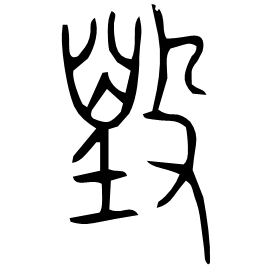
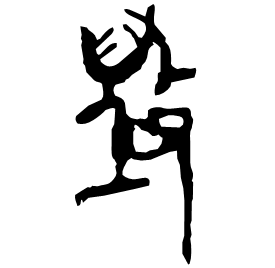
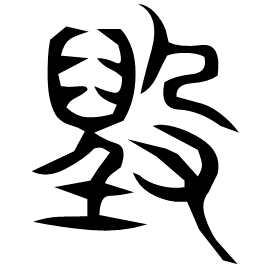
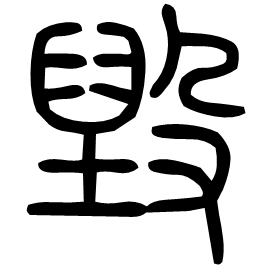
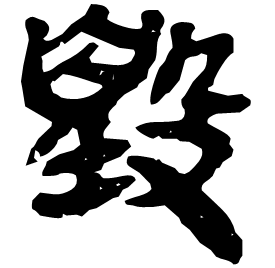
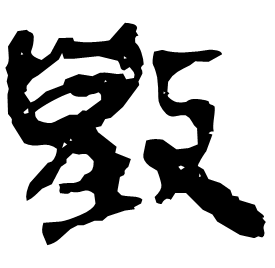
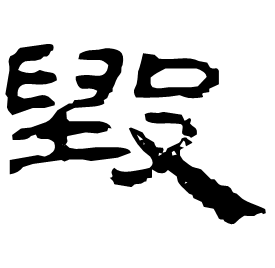
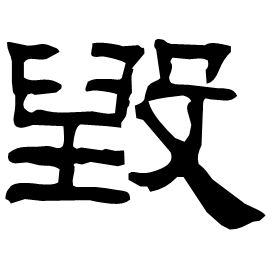
毁 is the simplified form of the traditional character 毀, a phonosemantic compound combining the meaning element 土 ('earth') and the sound element 毇 (huǐ). The 土 component suggests breaking something down to the ground, while 毇 is itself built from 臼 (mortar), 工 (tool), and 殳 (a hand wielding a weapon), evoking forceful pounding and striking. Together they convey destruction through physical force, demolishing structures or objects, and extend figuratively to abstract ruin, such as destroying someone's reputation through defamation or slander.
Etymology Hide
Example Sentences Hide
战争会毁掉很多家庭。
大火毁灭了整片森林。
别让雨水毁坏了你的画。
谣言毁了他的名誉。
这座古迹在战乱中被毁了。
过度开发会毁坏自然环境。
他一时冲动,毁掉了自己的前途。
他的鲁莽行为毁掉了整个团队多年的努力。
Report an issue
Flag incorrect definitions, examples, etymology, etc.