About
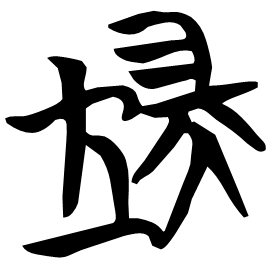
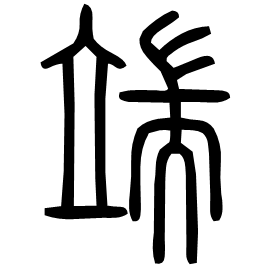
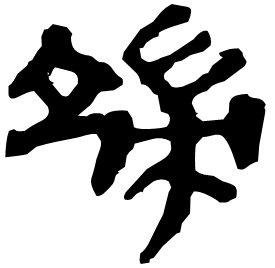
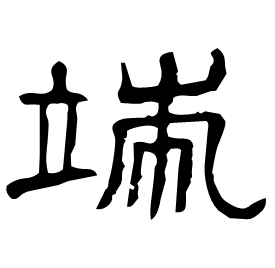
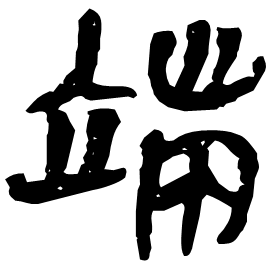
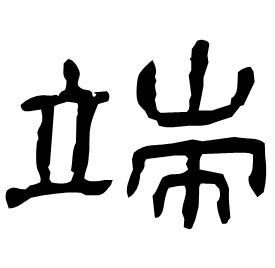
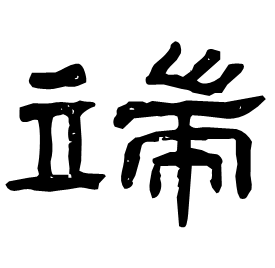
端 is a phono-semantic compound: the semantic radical 立, meaning 'to stand,' is on the left, and the phonetic component 耑 is on the right. The original meaning, 'to stand straight,' naturally extended to 'upright' and 'proper.' From the image of standing erect with a clear top and bottom, the meaning further broadened to the extremities, ends, or tips of things, whether physical or abstract. Consequently, the character expresses both abstract correctness and the physical or figurative edge, beginning, or conclusion of an object or matter.
Etymology Hide
Example Sentences Hide
妈妈端来了热汤。
他端正地坐在椅子上。
请端详这幅画的细节。
这个问题有很多端倪。
我们需要找到事情的端绪。
在数学中,端点是重要的概念。
他端量着对方的实力。
端坐不语是一种修养。
Report an issue
Flag incorrect definitions, examples, etymology, etc.