About
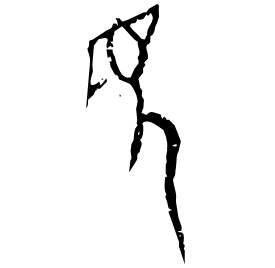
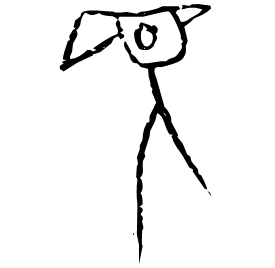
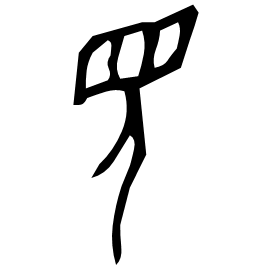
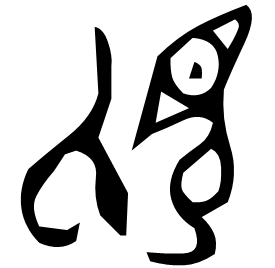
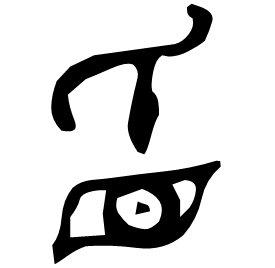
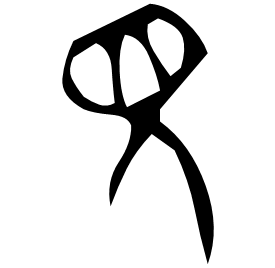
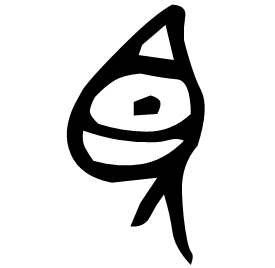
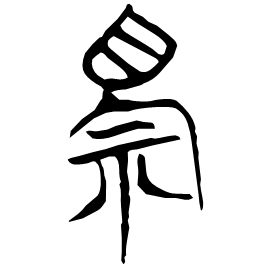
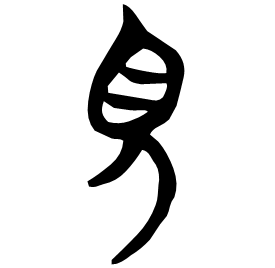
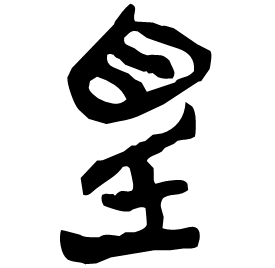
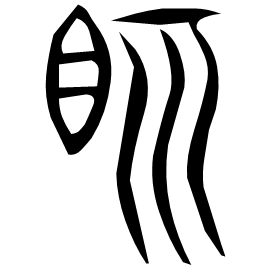
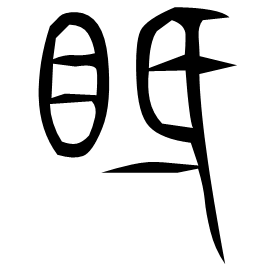
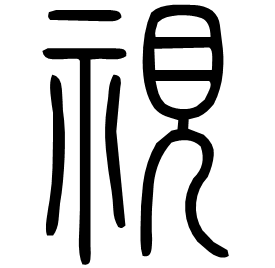
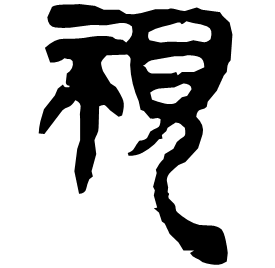
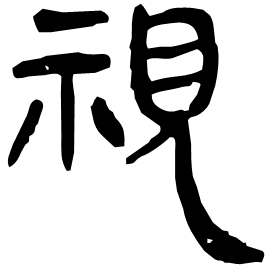
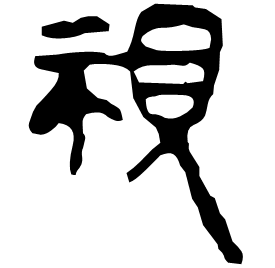
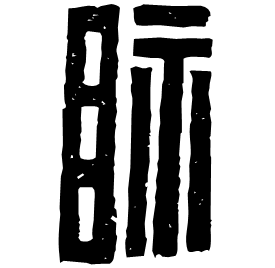
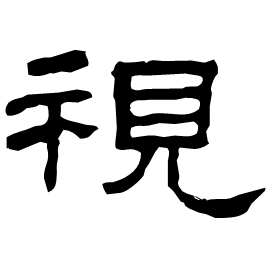
视 is the simplified form of 視, a phono-semantic compound. The right component 见, depicting an eye above a person, conveys the meaning 'to see'. The left component 礻 (a variant of 示) provides the sound. Originally denoting the physical act of looking or inspecting, the character's meaning later broadened to mental perception, how one regards, evaluates, or treats a situation, person, or abstract matter.
Etymology Hide
Example Sentences Hide
我喜欢看电视。
他很重视学习。
不要忽视安全问题。
他的视线一直盯着窗外。
这部电影视觉效果很好。
领导明天来视察工厂。
从不同视角看问题很重要。
我们必须视具体情况而定。
Report an issue
Flag incorrect definitions, examples, etymology, etc.