About
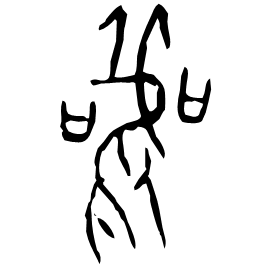
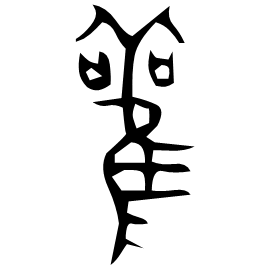
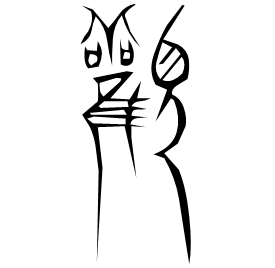
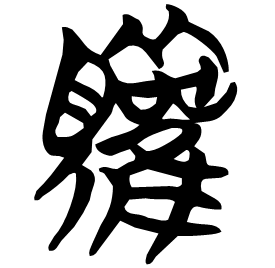
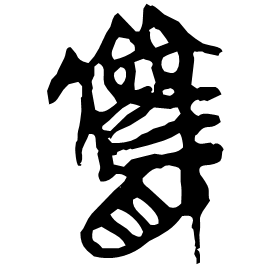
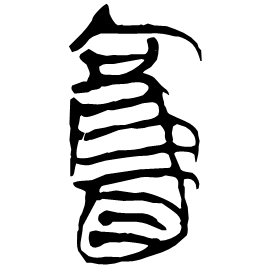
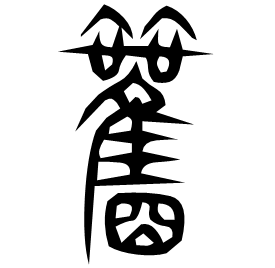
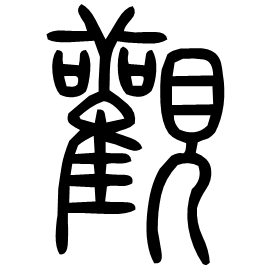
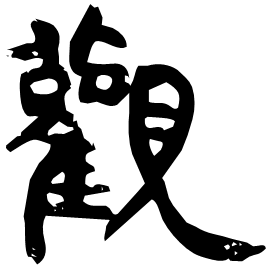
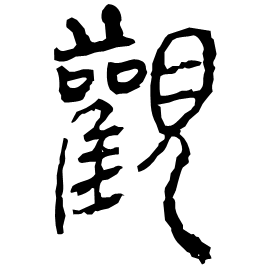
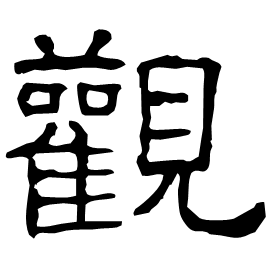
观 is the simplified version of the traditional character 觀, a phono-semantic compound that combines the semantic element 見 (jiàn, meaning 'to see') with the phonetic element 雚 (guàn, a type of stork or crane). Its original meanings center on careful observation, the resulting viewpoints, and outward appearances. During simplification, the intricate 雚 on the left was replaced by the much simpler 又 (yòu, 'again' or 'right hand'), while the right side 見 was reduced to its simplified form 见. The new component 又 serves only as a graphic substitute and carries no phonetic or semantic link. Despite losing the original sound clue, the character retains the core sense of sight from 见 and continues to express both concrete notions like viewing scenery and abstract concepts like opinions, perspectives, and notions.
Etymology Hide
Example Sentences Hide
妈妈观看电视。
我们经常参观博物馆。
他在公园观察鸟类。
我同意你的观点。
他们去北京观光旅游。
这种传统观念需要改变。
观察市场动态后,他做出了决策。
从宏观角度观察,经济正在逐步复苏。
Report an issue
Flag incorrect definitions, examples, etymology, etc.