Definitions

guān (verb) to look at; to watch; to observe
guān (noun) view; perspective; outlook
guàn (noun) temple; monastery

Etymology

Simplified form of . Phonosemantic compound. represents the meaning and represents the sound.

About

The character "观", whose traditional form is "觀", is structurally composed of the phonetic component "雚", representing a heron or crane, combined with the radical "見", meaning to see, which together originally conveyed the act of watching with the attentive vigilance of a bird. This core notion of attentive looking formed the basis for its early meanings, encompassing both the physical act of observing and the derived sense of a sight or spectacle worthy of such observation. Over time, the semantic field of the character expanded significantly beyond visual scrutiny to include more abstract and intellectual forms of examination, such as contemplation, perspective, and a philosophical outlook or viewpoint, thereby capturing both the external act of seeing and the internal process of interpretation and understanding that can arise from it.

Etymology Hide

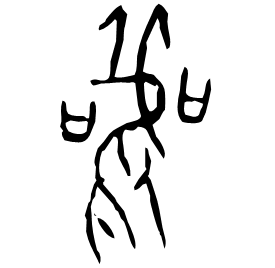
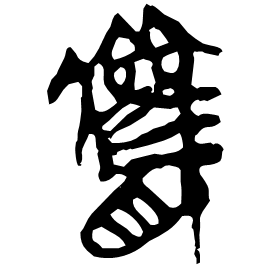
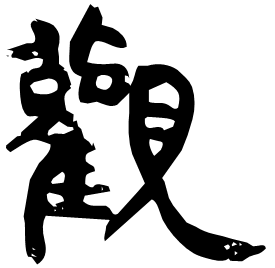
Oracle etymology image
Oracle (~1250-1000 BC)
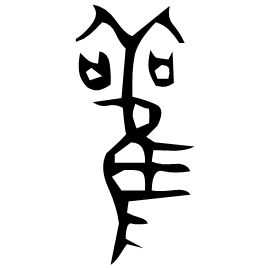
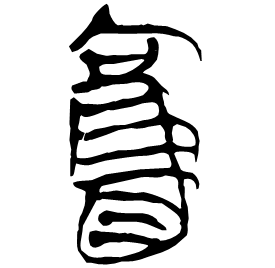
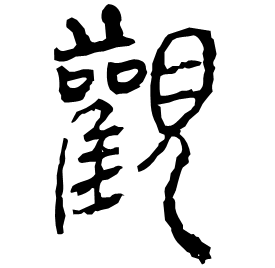
Bronze etymology image
Bronze Mid Western Zhou (~900 BC)
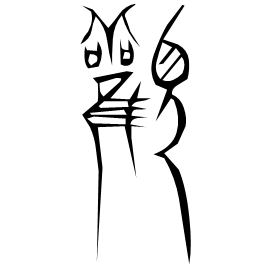
Bronze etymology image
Bronze Late Warring States (~250 BC)
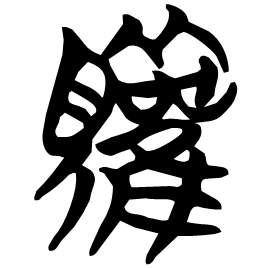
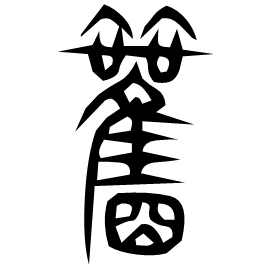
Seal etymology image
Seal Chu (Warring States: 475-221 BC)
Seal etymology image
Seal Chu (Warring States: 475-221 BC)
Seal etymology image
Seal Chu (Warring States: 475-221 BC)
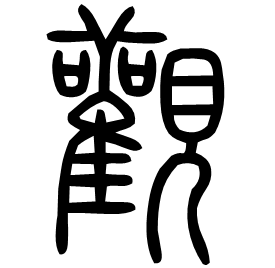
Seal etymology image
Seal Shuowen (~100 AD)
Seal etymology image
Seal Shuowen (~100 AD)
Clerical etymology image
Clerical Qin dynasty (221-206 BC)
Clerical etymology image
Clerical Western Han dynasty (202 BC-9 AD)
Clerical etymology image
Clerical Eastern Han dynasty (25-220 AD)
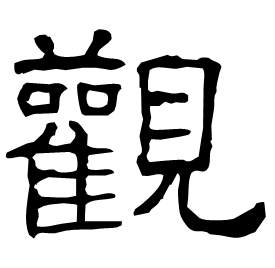
Traditional Modern
Simplified Modern

Example Sentences Hide

妈妈看电视。

Māma guānkàn diànshì.

Mom watches TV.

我们经常参博物馆。

Wǒmen jīngcháng cānguān bówùguǎn.

We often visit museums.

他在公园察鸟类。

Tā zài gōngyuán guānchá niǎolèi.

He observes birds in the park.

我同意你的点。

Wǒ tóngyì nǐ de guāndiǎn.

I agree with your viewpoint.

他们去北京光旅游。

Tāmen qù Běijīng guānguāng lǚyóu.

They go to Beijing for sightseeing.

这种传统念需要改变。

Zhè zhǒng chuántǒng guānniàn xūyào gǎibiàn.

This traditional concept needs to change.

察市场动态后,他做出了决策。

Guānchá shìchǎng dòngtài hòu, tā zuò chūle juécè.

After observing market trends, he made a decision.

从宏角度察,经济正在逐步复苏。

Cóng hóngguān jiǎodù guānchá, jīngjì zhèngzài zhúbù fùsū.

From a macro perspective, the economy is gradually recovering.