About
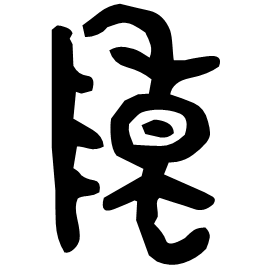
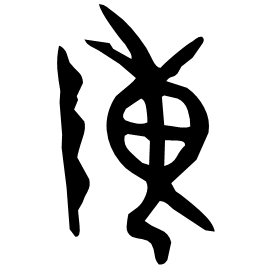
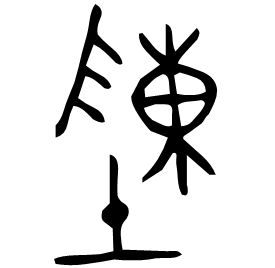
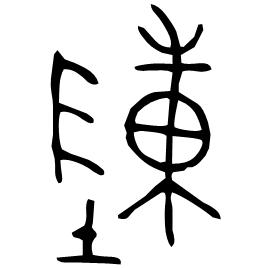
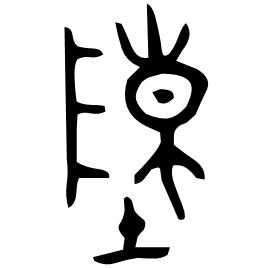
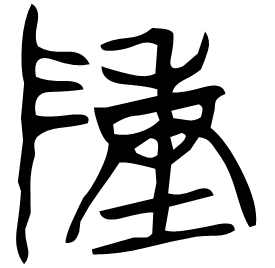
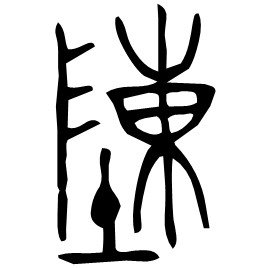
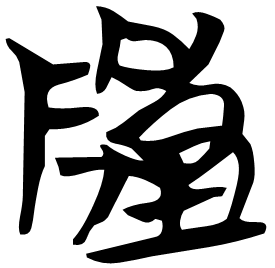
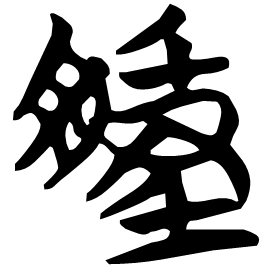
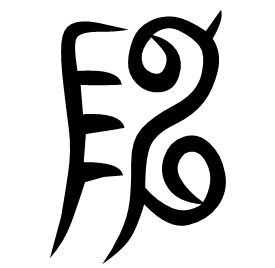
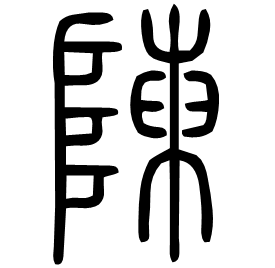
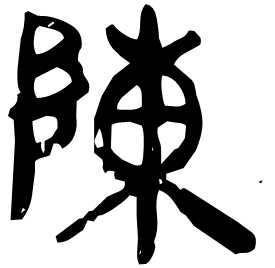
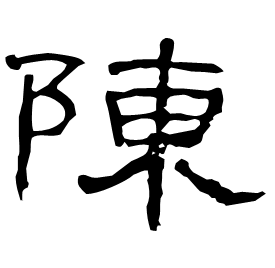
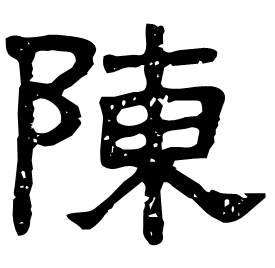
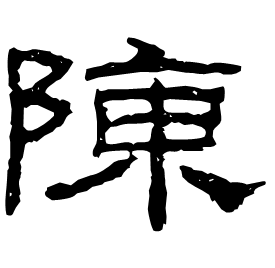
陈 is the simplified form of 陳. Its left component, the mound radical 阝, suggests earthworks or terrain, and originally pointed to the strategic arrangement of military chariots. This led to broader senses of displaying, arranging, and stating. The right side, 东, replaces the traditional 東; its function is unclear, it may simply be a graphic simplification without a clear phonetic role. The character additionally means 'old' or 'stale' and is a very common surname.
Etymology Hide
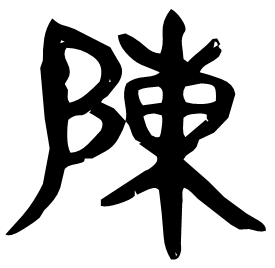
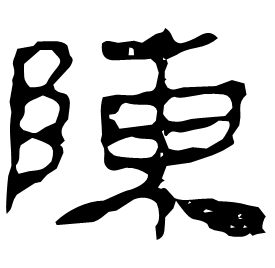
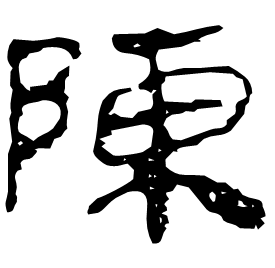
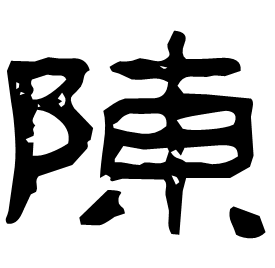
Example Sentences Hide
陈先生是我的朋友。
这本书的内容很陈旧。
他向我们陈述了事实。
博物馆里陈列着许多文物。
房间里的陈设很简单。
陈皮是一种常用的中药材。
这些陈年的酒味道很好。
他的观点有些陈腐。
Report an issue
Flag incorrect definitions, examples, etymology, etc.