About
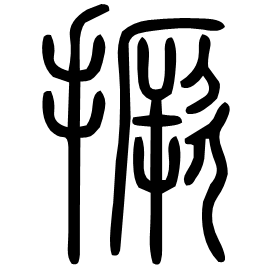
The character 撅 is a phono-semantic compound, with the hand radical 扌 on the left indicating a manual action and the phonetic component 厥 on the right providing the sound. Originally, it referred to physical actions like breaking off, snapping, or pulling something upward by hand. Its meaning later expanded to include protruding or sticking out, especially in phrases describing pouting or sticking up one's buttocks. The hand radical grounds it as a verb of physical manipulation, even as its use extended to specific bodily postures and facial expressions.
Etymology Hide
Example Sentences Hide
他撅着嘴生气了。
小狗撅着尾巴跑开了。
他撅断了那根树枝。
小孩撅着屁股在玩沙子。
她撅起嘴表示不满。
工人用铁锹撅土。
他不小心撅伤了手指。
老农撅着腰在田里劳作。