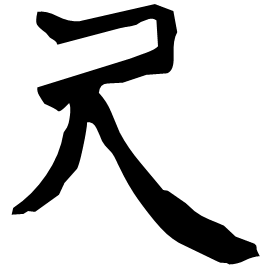
Definitions

qiàn (verb) to lack; to be deficient
qiàn (verb) to owe
qiàn (verb) to yawn

Etymology

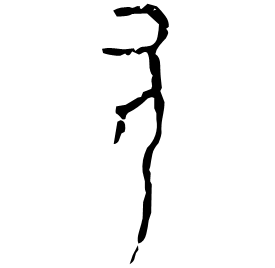
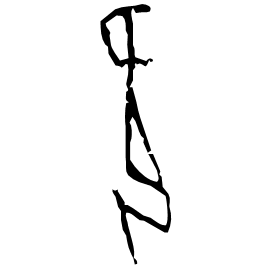
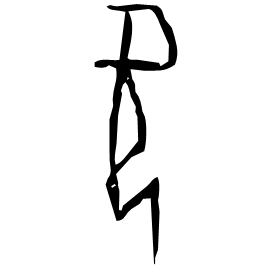
Pictograph of a person () opening their mouth to yawn.

About

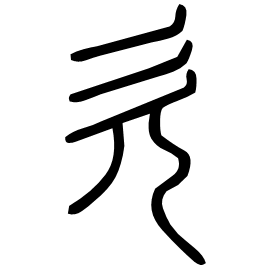
The character 欠 originated from a pictographic depiction of a person with an open mouth, initially representing the physical act of yawning or sighing, which implied an opening or gap. This visual basis led to its early association with the concept of lack or absence, a meaning that later extended to encompass abstract insufficiencies and the state of owing, such as in financial debt. In its modern form, 欠 is structured with four strokes and functions both as a standalone character and as a radical in compound characters, often contributing meanings related to breath, oral actions, or deficiency. Over time, its semantic range shifted from denoting a physical gesture to expressing various forms of shortfall or obligation, reflecting an adaptation in usage while maintaining its core thematic link to absence.

Etymology Hide

Oracle etymology image
Oracle (~1250-1000 BC)
Oracle etymology image
Oracle (~1250-1000 BC)
Oracle etymology image
Oracle (~1250-1000 BC)
Seal etymology image
Seal Shuowen (~100 AD)
Clerical etymology image
Clerical Western Han dynasty (202 BC-9 AD)
Traditional Modern
Simplified Modern

Example Sentences Hide

我一百块钱。

Tā qiàn wǒ yībǎi kuài qián.

He owes me one hundred yuan.

你还我一个解释呢。

Nǐ hái qiàn wǒ yī gè jiěshì ne.

You still owe me an explanation.

他总是拖房租。

Tā zǒng shì tuōqiàn fángzū.

He always delays paying the rent.

他给我打了一张条。

Tā gěi wǒ dǎ le yī zhāng qiàntiáo.

He wrote me an IOU.

我感觉自己还些火候。

Wǒ gǎnjué zìjǐ hái qiàn xiē huǒhòu.

I feel I still lack some skill/experience.

身让客人先进门。

Tā qiànshēn ràng kèrén xiān jìnmén.

He inclined his body (leaned slightly) to let the guest enter first.

这个计划考虑周,需要修改。

Zhège jìhuà kǎolǜ qiàn zhōu, xūyào xiūgǎi.

This plan lacks thorough consideration and needs revision.

他说话总带着一股揍的语气。

Tā shuōhuà zǒng dàizhe yī gǔ qiàn zòu de yǔqì.

He always speaks with a tone that makes you want to punch him.