About
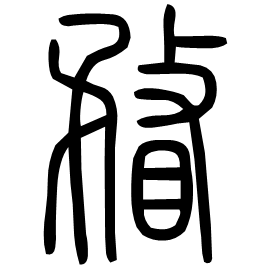
The character 瞀 is a vertically structured phono-semantic compound. The bottom element is the semantic radical 目 'eye', which anchors the meaning in sight. Above it is 敄, which means 'to make an effort' and also supplies the pronunciation. Together, they depict the act of straining to see something. This original sense of exerting the eyes gave rise to the definition of blurred or dim vision, an inability to see clearly due to physical impairment. Over time, the meaning underwent a metaphorical extension from the physiological to the psychological: 瞀 came to describe dizziness, mental confusion, and a lack of clear judgment, a clouded mind mirroring clouded eyes. This shift from literal visual impairment to figurative cognitive impairment reflects a common linguistic pattern in which sensory limitations are used to represent mental ones.
Etymology Hide
Report an issue
Flag incorrect definitions, examples, etymology, etc.