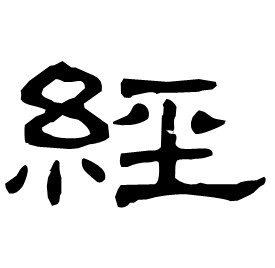
Definitions

jīng (verb) to pass through; to undergo; to endure
jīng (noun) classics; scripture; sacred text
jīng (noun) warp (in weaving); longitude
jīng (noun) channel; meridian

Etymology

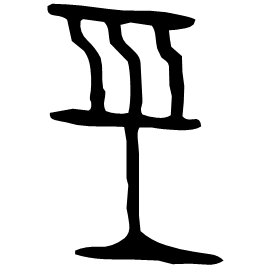
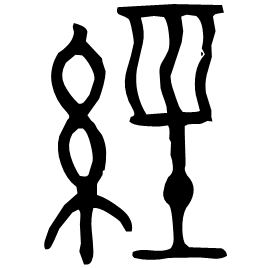
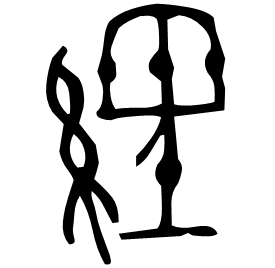
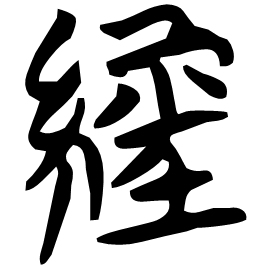
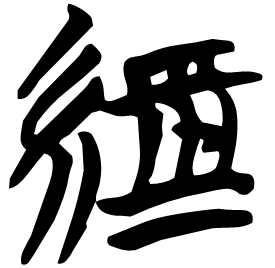
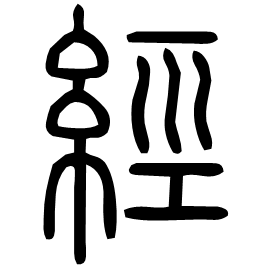
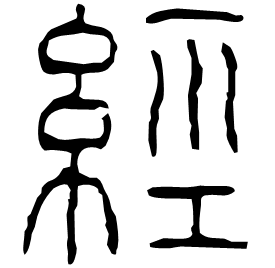
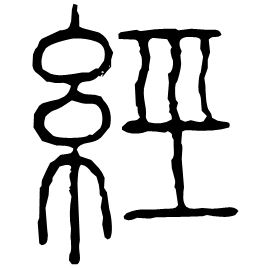
Simplified form of . Originally written , which depicts weaving vertical (warp) threads on a loom. The (thread) component was added later. Based on the original meaning "warp thread". The meaning later expanded to "pass through", "regulate", and "classic books".

Semantic: Phonetic:

About

The character "经" in its traditional form "經" reveals its original concrete meaning through its components, the silk radical on the left and the right part which originally depicted a loom's warp, together denoting the longitudinal threads in weaving that provide a foundational structure. From this tangible base, its meaning broadened metaphorically to signify canonical works or classics, which were perceived as the enduring, authoritative threads of cultural and philosophical tradition. This conceptual foundation of a constant, guiding line further allowed the character to extend into abstract domains, representing enduring principles or constants, and into more technical applications such as terrestrial longitude and, by later analogy, the pathways in medical meridians.

Etymology Hide

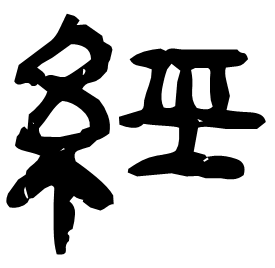
Bronze etymology image
Bronze Late Western Zhou (~800 BC)
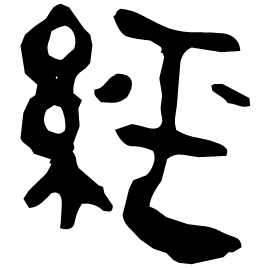
Bronze etymology image
Bronze Late Western Zhou (~800 BC)
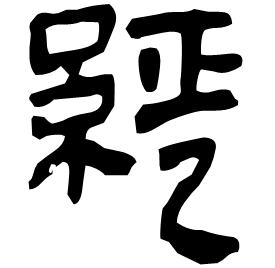
Bronze etymology image
Bronze Early Warring States (~400 BC)
Seal etymology image
Seal Chu (Warring States: 475-221 BC)
Seal etymology image
Seal Chu (Warring States: 475-221 BC)
Seal etymology image
Seal Shuowen (~100 AD)
Seal etymology image
Seal Qin dynasty (221-206 BC)
Seal etymology image
Seal Qin dynasty (221-206 BC)
Clerical etymology image
Clerical Qin dynasty (221-206 BC)
Clerical etymology image
Clerical Western Han dynasty (202 BC-9 AD)
Clerical etymology image
Clerical Western Han dynasty (202 BC-9 AD)
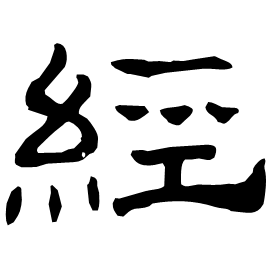
Clerical etymology image
Clerical Eastern Han dynasty (25-220 AD)
Clerical etymology image
Clerical Eastern Han dynasty (25-220 AD)
Traditional Modern
Simplified Modern

Example Sentences Hide

我已吃过饭了。

Wǒ yǐjīng chīguò fàn le.

I have already eaten.

他每天都过公园。

Tā měi tiān dōu jīngguò gōngyuán.

He passes by the park every day.

我们需要学习济学。

Wǒmen xūyào xuéxí jīngjì xué.

We need to study economics.

这是一本关于历史的典。

Zhè shì yī běn guānyú lìshǐ de jīngdiǎn.

This is a classic book about history.

他是一位验丰富的医生。

Tā shì yī wèi jīngyàn fēngfù de yīshēng.

He is an experienced doctor.

这些手续需要理批准。

Zhèxiē shǒuxù xūyào jīnglǐ pīzhǔn.

These procedures require the manager's approval.

营着一家小公司。

Tā jīngyíng zhe yī jiā xiǎo gōngsī.

He runs a small company.

那段时间的历改变了他。

Nà duàn shíjiān de jīnglì gǎibiàn le tā.

The experiences from that period changed him.