About
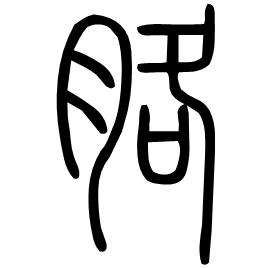
胳 is the simplified form of 肐 and a phono-semantic compound. Its left side, ⺼ (the "flesh" radical, written as 月), derives from 肉 and marks the character as relating to body parts. The right side, 各 (gè), supplies the pronunciation. The character primarily denotes the arm, especially the area from shoulder to hand or the armpit, and appears almost exclusively in anatomical compound words.
Etymology Hide
Example Sentences Hide
他举起了胳膊。
妈妈轻轻地拍了拍孩子的胳膊。
他胳膊下面夹着一个公文包。
我摔了一跤,胳膊肘擦破了皮。
弟弟的胳膊很瘦弱,没什么力气。
干活前,他挽起了胳膊上的袖子。
在医学上,胳膊的上臂和前臂结构不同。
经过反复争论,他意识到胳膊拧不过大腿。
Report an issue
Flag incorrect definitions, examples, etymology, etc.