About
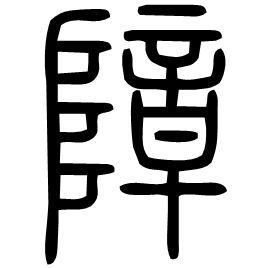
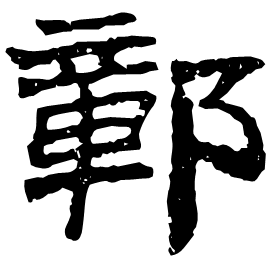
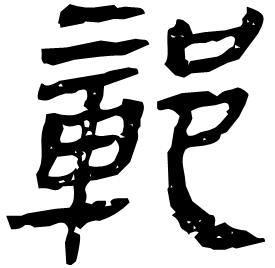
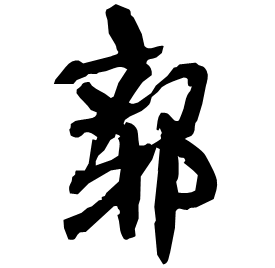
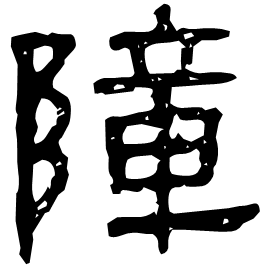
The character 障 (zhàng) combines the left-side mound radical 阝 (fǔ), which signals concepts related to hills, dams, walls, and elevated terrain, with the phonetic component 章 (zhāng), meaning a chapter or section of text. The radical 阝 establishes the core sense of a physical barrier, such as a barricade, dam, or wall meant to block movement or water flow. This meaning later extended to abstract obstacles, including cognitive impediments, bureaucratic hurdles, or physical impairments that disrupt normal function.
Etymology Hide
Example Sentences Hide
前面有一个障碍。
法律保障我们的权利。
山脉是自然的屏障。
语言障碍很难克服。
他用了障眼法骗过我们。
障碍赛跑需要很多技巧。
社会保障体系不断完善。
科学家们正在研究如何清除这些障碍物。