Definitions

zhuāng (noun) makeup; cosmetics
zhuāng (verb) to put on makeup; to dress up

Etymology

Phonosemantic compound. represents the meaning and represents the sound. Simplified form of .

Semantic: Phonetic:

About

The character for makeup, now written as "妆", originates from its traditional form "妝", which combines the component for "woman" (女) with an element historically representing a bed or a wooden panel (爿), suggesting an intimate association with the private, domestic space of adornment. This structure implies a fundamental link to the act of a woman preparing her appearance, likely at a dressing table. Over centuries, its meaning concretized from a broader sense of adornment and decoration to specifically denote the application of cosmetics to the face. The simplified form "妆" maintains the essential "woman" radical while altering the other component to "丬", a stylized vestige of the original, thus preserving the core etymological idea while modifying the graphical form.

Etymology Hide

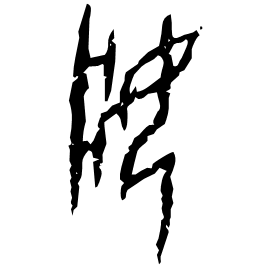
Oracle etymology image
Oracle (~1250-1000 BC)
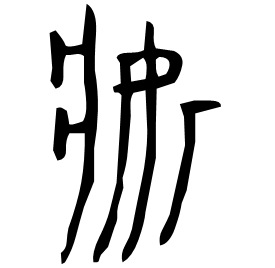
Bronze etymology image
Bronze Late Spring and Autumn (~500 BC)
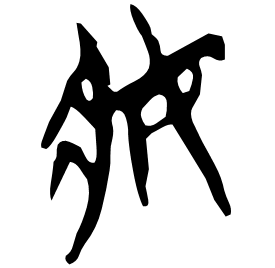
Seal etymology image
Seal Chu (Warring States: 475-221 BC)
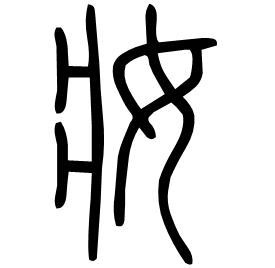
Seal etymology image
Seal Shuowen (~100 AD)
Traditional Modern
Simplified Modern

Example Sentences Hide

她在化

Tā zài huàzhuāng.

She is applying makeup.

她化很快。

Tā huàzhuāng hěn kuài.

She puts on makeup very quickly.

你不化吗?

Nǐ bù huàzhuāng ma?

Don't you wear makeup?

她的化盒很漂亮。

Tā de huàzhuāng hé hěn piàoliang.

Her makeup box is very beautiful.

新娘需要精心准备。

Xīnniáng zhuāng xūyào jīngxīn zhǔnbèi.

The bridal makeup needs careful preparation.

这个舞台效果太夸张了。

Zhège wǔtái zhuāng xiàoguǒ tài kuāzhāng le.

This stage makeup effect is too exaggerated.

她擅长化各种时尚容。

Tā shàncháng huà gèzhǒng shíshàng zhuāngróng.

She is good at creating various fashionable makeup looks.

素颜的她与浓的她判若两人。

Sùyán de tā yǔ nóng zhuāng de tā pànruòliǎngrén.

She looks like a completely different person with no makeup compared to when she wears heavy makeup.