About
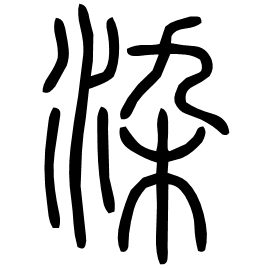
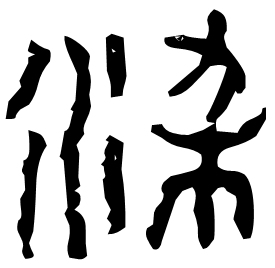
The character 染 originally depicted the dyeing of textiles. It combines the water radical 氵 (shuǐ), indicating the liquid dye, with 九 (jiǔ, nine) and 木 (mù, wood). The element 九 suggests the repeated immersions needed to fix the color, while 木 points to the plant sources of natural dyes. Over time, the meaning extended from the literal dyeing process to figurative notions of contamination, such as picking up a habit, contracting an illness, or being influenced by a negative environment.
Etymology Hide
Example Sentences Hide
她染了红指甲。
这件衣服容易染色。
他感染了感冒。
河流被污染了。
环境污染很严重。
他的笑容感染了大家。
为了避免感染病毒,我们要洗手。
这种新型染料能染出鲜艳的颜色。
Report an issue
Flag incorrect definitions, examples, etymology, etc.