About
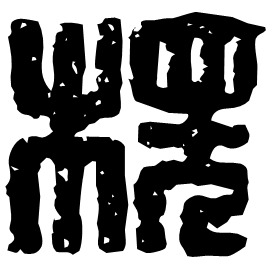
The character 楞 is a phono-semantic compound. Its left-side radical, 木 (wood), links it to the physical properties of timber or beams, while its right side combines the net element 罒 above the square element 方. Originally an alternative form for the concept of physical edges, ridges, or the distinct corners of cut wood, 楞's usage shifted significantly toward psychological descriptions. It evolved to denote a state of being completely distracted, such as staring blankly, acting rashly without thinking, or being rendered temporarily speechless by surprise.
Etymology Hide
Example Sentences Hide
他站在那儿发楞。
我突然楞住了。
看到结果,他楞了半天。
她楞楞地看着我。
听到这个消息,所有人都楞了。
他楞在门口,不知该进该退。
虽然他被吓了一跳,但只是楞了一下就恢复了正常。
在激烈的辩论中,他因一时语塞而楞在原地。