About
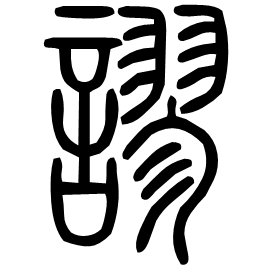
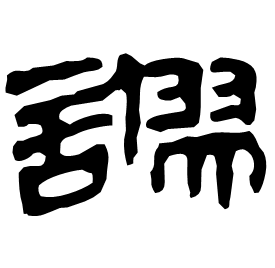
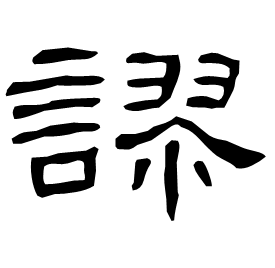
谬 (miù) is a phono-semantic compound formed by the speech radical 讠 (yán) and the phonetic 翏 (liù), with its traditional form 謬 retaining the full radical 言. It primarily denotes false, erroneous, or absurd speech, connecting mistakes to verbal expression. Over time, the meaning expanded beyond spoken errors to encompass any fallacy, illogical reasoning, or deviation from the truth in broader intellectual contexts, now signifying general incorrectness.
Etymology Hide
Example Sentences Hide
这是一个常见的谬误。
他的说法非常荒谬。
不要传播这种荒谬的言论。
他的谬论误导了许多人。
这本书旨在纠正历史谬误。
科学家们驳斥了那个荒谬的假设。
他的论证中存在逻辑谬误。
尽管数据详实,但其结论仍源于谬误的推理。
Report an issue
Flag incorrect definitions, examples, etymology, etc.