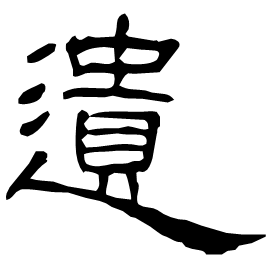
Definitions

(verb) to lose; to leave behind
(verb) to bequeath; to pass down
(verb) to omit

Etymology

Simplified form of . Phonosemantic compound. represents the meaning and represents the sound.

About

The character "遗" originates from its traditional form "遺", a structural composition that integrates the walking radical 辶 with the component 貴, which conveys associations with worth and nobility, thereby etymologically suggesting the action of leaving or conveying something of value. Initially used in early texts to denote the loss or leaving behind of tangible items, its application gradually broadened to include meanings of omission, the act of bequeathing, and eventually the conceptual notion of what is transmitted from the past, such as a heritage or remnant. This progression from physical to abstract signification mirrors broader linguistic trends where characters accumulate layers of meaning through prolonged literary and colloquial use. The modern simplified variant "遗", while altering the phonetic component to 贵, preserves the original conceptual architecture and continues to embody this full spectrum of historical meanings.

Etymology Hide

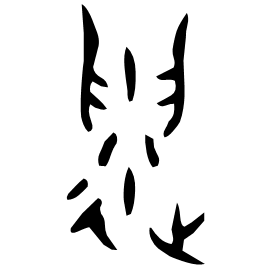
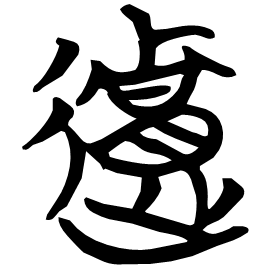
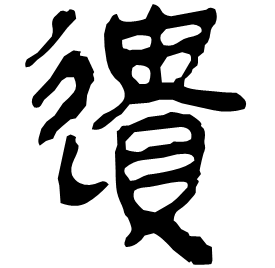
Bronze etymology image
Bronze Early Western Zhou (~1000 BC)
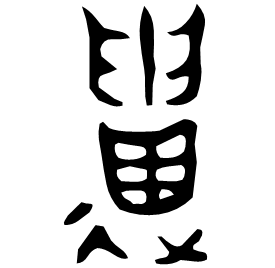
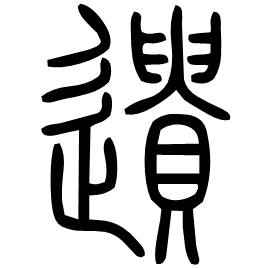
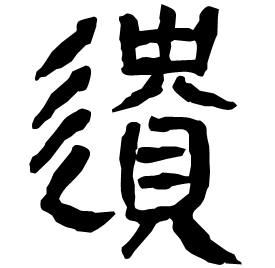
Bronze etymology image
Bronze Mid Western Zhou (~900 BC)
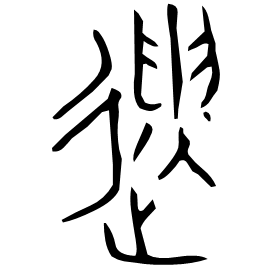
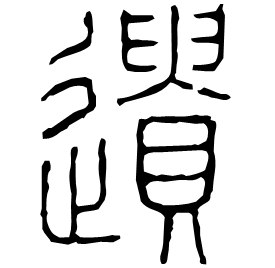
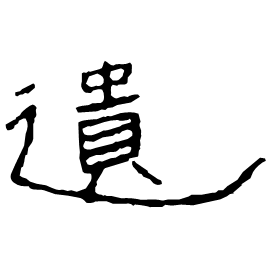
Bronze etymology image
Bronze Late Spring and Autumn (~500 BC)
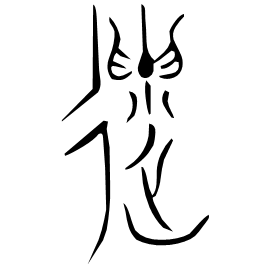
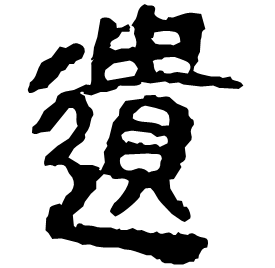
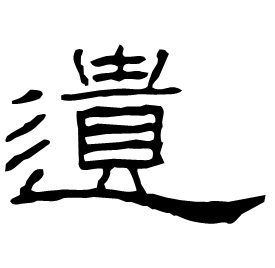
Bronze etymology image
Bronze Late Warring States (~250 BC)
Seal etymology image
Seal Chu (Warring States: 475-221 BC)
Seal etymology image
Seal Shuowen (~100 AD)
Seal etymology image
Seal Qin dynasty (221-206 BC)
Clerical etymology image
Clerical Qin dynasty (221-206 BC)
Clerical etymology image
Clerical Western Han dynasty (202 BC-9 AD)
Clerical etymology image
Clerical Western Han dynasty (202 BC-9 AD)
Clerical etymology image
Clerical Eastern Han dynasty (25-220 AD)
Clerical etymology image
Clerical Eastern Han dynasty (25-220 AD)
Clerical etymology image
Clerical Eastern Han dynasty (25-220 AD)
Traditional Modern
Simplified Modern

Example Sentences Hide

忘了书包。

Wǒ yíwàng le shūbāo.

I forgot my backpack.

这真是一个憾。

Zhè zhēn shì yīgè yíhàn.

This is really a pity.

他继承了一大笔产。

Tā jìchéng le yī dà bǐ yíchǎn.

He inherited a large fortune.

这里留了很多历史问题。

Zhèlǐ yíliú le hěnduō lìshǐ wèntí.

Many historical issues remain here.

那只狗被主人弃了。

Nà zhī gǒu bèi zhǔrén yíqì le.

That dog was abandoned by its owner.

我们参观了古代的址。

Wǒmen cānguān le gǔdài de yízhǐ.

We visited ancient ruins.

爷爷在嘱中分配了财产。

Yéye zài yízhǔ zhōng fēnpèi le cáichǎn.

Grandpa distributed the property in his will.

这些物见证了历史的变迁。

Zhèxiē yíwù jiànzhèng le lìshǐ de biànqiān.

These relics witness the changes of history.