Definitions

guò (verb) to pass; to cross; to exceed
guò (verb) to pass (time); to spend time
guò (adjective,adverb) excessive; too (much)
guo (particle) (particle indicating completed action)

Etymology

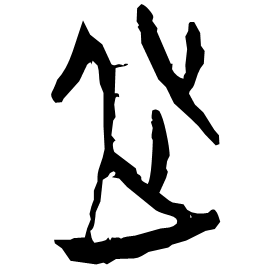
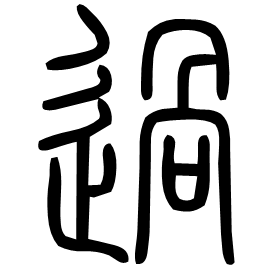
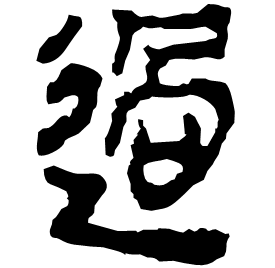
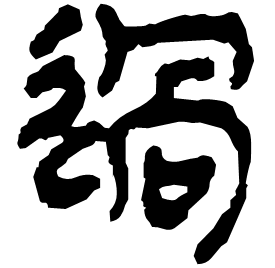
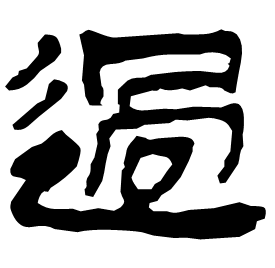
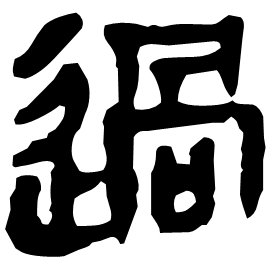
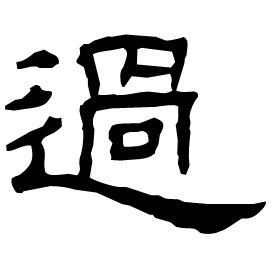
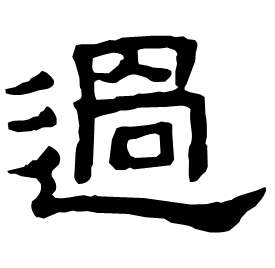
Simplified form of . Phonosemantic compound. represents the meaning and represents the sound. The component was simplified to .

Semantic: Phonetic:

About

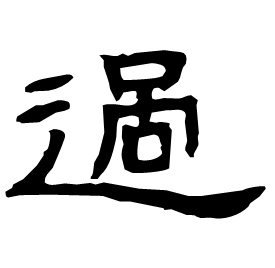
The character '过' originates from its traditional form '過', which integrates the walking radical '辶' with the component '咼', initially providing phonetic cues and emphasizing notions of movement and transition. Its early meanings revolved around physical or temporal passage, such as crossing distances or elapsing time, and from this foundation, it gradually acquired additional layers, including the sense of undergoing events, surpassing limits, and functioning as an aspect marker to indicate past actions in verbal constructs. The simplified iteration '过' replaces '咼' with '寸', a structural alteration that curtailed complexity while preserving an association with measured motion, and across these morphological and semantic developments, the character has consistently upheld its core roles in expressing concepts of traversal, excess, and completion.

Etymology Hide

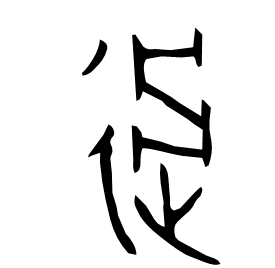
Bronze etymology image
Bronze Early Western Zhou (~1000 BC)
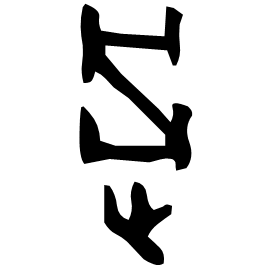
Bronze etymology image
Bronze Early Western Zhou (~1000 BC)
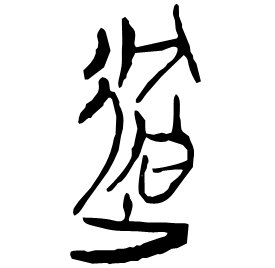
Seal etymology image
Seal Chu (Warring States: 475-221 BC)
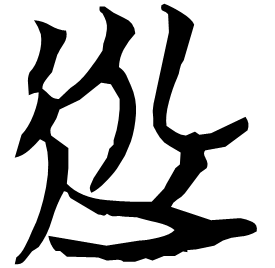
Seal etymology image
Seal Chu (Warring States: 475-221 BC)
Seal etymology image
Seal Chu (Warring States: 475-221 BC)
Seal etymology image
Seal Shuowen (~100 AD)
Clerical etymology image
Clerical Qin dynasty (221-206 BC)
Clerical etymology image
Clerical Western Han dynasty (202 BC-9 AD)
Clerical etymology image
Clerical Western Han dynasty (202 BC-9 AD)
Clerical etymology image
Clerical Western Han dynasty (202 BC-9 AD)
Clerical etymology image
Clerical Eastern Han dynasty (25-220 AD)
Clerical etymology image
Clerical Eastern Han dynasty (25-220 AD)
Clerical etymology image
Clerical Eastern Han dynasty (25-220 AD)
Traditional Modern
Simplified Modern

Example Sentences Hide

他走马路。

Tā zǒu guò mǎlù.

He walked across the road.

我吃苹果。

Wǒ chī guò píngguǒ.

I have eaten apples.

她去北京。

Tā qù guò Běijīng.

She has been to Beijing.

这本书我看

Zhè běn shū wǒ kàn guò.

I have read this book.

我们讨论这个问题。

Wǒmen tǎolùn guò zhège wèntí.

We have discussed this issue.

他曾经经历战争。

Tā céngjīng jīnglì guò zhànzhēng.

He has experienced war before.

这个程需要仔细考虑。

Zhège guòchéng xūyào zǐxì kǎolǜ.

This process requires careful consideration.

于急躁往往会导致失败。

Guò yú jízào wǎngwǎng huì dǎozhì shībài.

Being too impatient often leads to failure.