Definitions
About
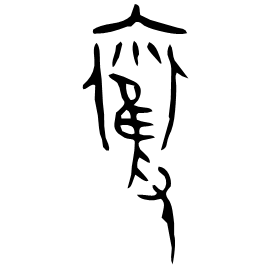
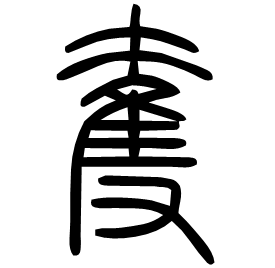
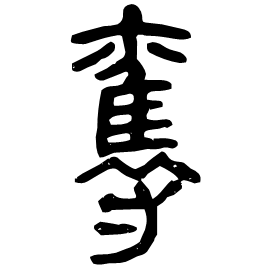
夺 is the simplified form of 奪. The traditional character originally combined 衣 (clothes), 隹 (bird), and 寸 (hand), depicting a hand snatching a bird and hiding it in clothing, a vivid image of seizing something by force. Over time, the 衣 component was reanalyzed as 大 (or sometimes 兌), yielding the structure 大 over 隹 over 寸. In the modern simplification, the bird is removed entirely, leaving just 大 above 寸, yet the character still conveys the core meanings of taking away, depriving, or competing fiercely for something.
Etymology Hide
Example Sentences Hide
小偷夺走了他的钱包。
他们在比赛中争夺冠军。
警察从罪犯手中夺回了财物。
她以惊人的速度夺得了第一名。
如果你们不努力,就会失去夺标的机会。
他的发言夺走了所有人的注意力。
尽管对手很强,他们还是夺得了比赛的胜利。
这场革命旨在剥夺统治阶级的特权。
Report an issue
Flag incorrect definitions, examples, etymology, etc.